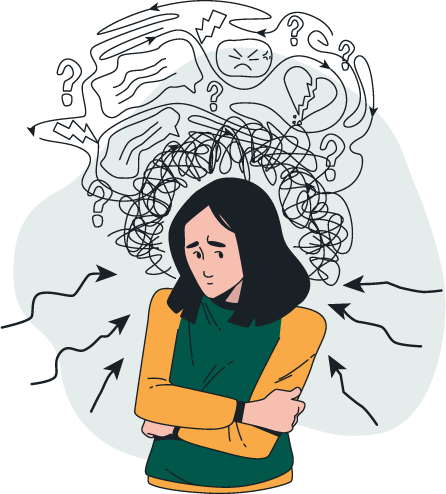
Anxiety Treatment
Anxiety is a normal stress response, and at times you’ll get anxious, but when symptoms are severe, frequent, and start to affect your normal functioning, it may indicate an anxiety disorder such as Generalized Anxiety Disorder, Panic Disorder, and other anxiety disorders.
People with anxiety excessively worry about everyday situations, feel restless, and experience physical symptoms like shortness of breath and trembling. CPG delivers treatment, including therapy and medication, to manage these symptoms to support emotional regulation effectively and improve daily functioning.
Read More People with anxiety excessively worry about everyday situations, feel restless, and experience physical symptoms like shortness of breath and trembling. CPG delivers treatment, including therapy and medication, to manage these symptoms to support emotional regulation effectively and improve daily functioning.
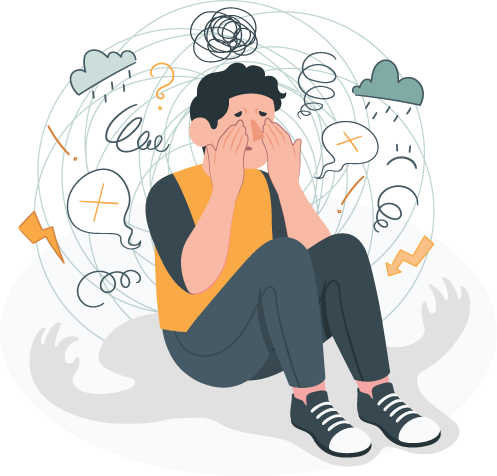
Depression Treatment
Depression is a condition in which a person experiences low mood, low energy, changes in sleep, appetite, motivation, and feelings of helplessness, and it affects how a person functions in daily life.
Some people may feel emotionally numb in depression. We provide evidence-based treatment that focuses on managing the severity of symptoms through therapy, counseling, and medication when needed.
Read More Some people may feel emotionally numb in depression. We provide evidence-based treatment that focuses on managing the severity of symptoms through therapy, counseling, and medication when needed.
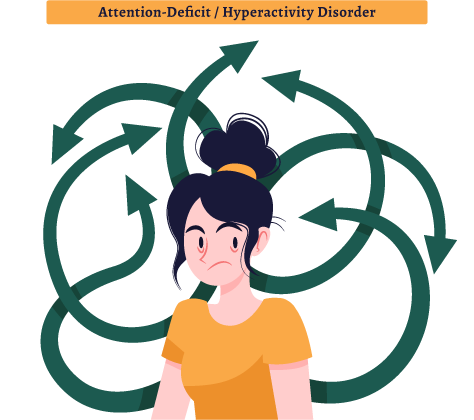
ADHD Treatment
Attention-Deficit/Hyperactivity Disorder (ADHD) is a neurodevelopmental condition that is characterized by difficulties in maintaining attention, impulsivity, and hyperactivity that interfere with academic, professional, & daily functioning.
Its symptoms start in childhood and affect children in multiple settings (home, school), which affects their learning ability and daily life. Our providers develop treatment plans that improve attention regulation and impulse control without altering children's personality or cognition.
Read More Its symptoms start in childhood and affect children in multiple settings (home, school), which affects their learning ability and daily life. Our providers develop treatment plans that improve attention regulation and impulse control without altering children's personality or cognition.
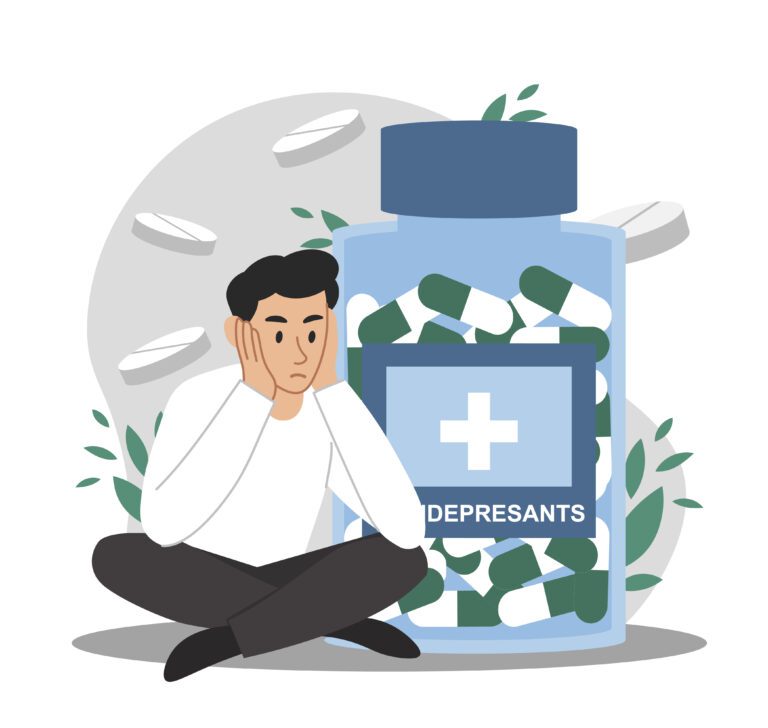
Medication Management
Medication management is the clinical oversight of psychiatric medications to ensure they are safe, effective, and appropriate for specific mental health conditions. Prescriptions are based on the patient’s medical history and a comprehensive evaluation of symptoms and how they affect daily life.
At CPG, our mental health providers regularly monitor medication effectiveness, side effects, and dependence. Our providers adjust dosage in the treatment plan to reduce symptoms and help patients find stability in daily life.
Read More At CPG, our mental health providers regularly monitor medication effectiveness, side effects, and dependence. Our providers adjust dosage in the treatment plan to reduce symptoms and help patients find stability in daily life.
Bipolar Disorder Treatment
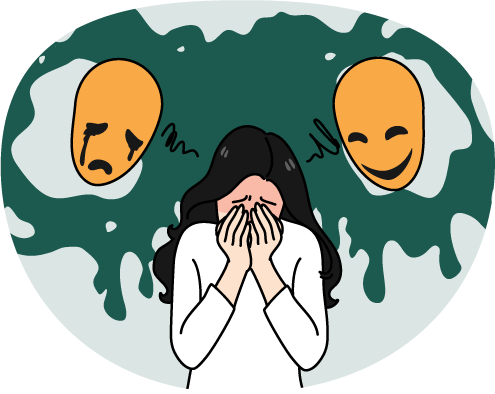
Bipolar disorder is a mood disorder that is characterized by recurrent mood episodes between extreme emotional highs (mania/hypomania) and lows (depression). These mood changes in bipolar disorder episodes vary in duration (one or two weeks, or sometimes longer) and intensity.
The symptoms may disrupt sleep patterns, judgment, energy level, interest, and overall daily functioning. Our providers monitor mood changes over time to help reduce episode frequency and severity, aiming to reduce functional disruption.
Read More The symptoms may disrupt sleep patterns, judgment, energy level, interest, and overall daily functioning. Our providers monitor mood changes over time to help reduce episode frequency and severity, aiming to reduce functional disruption.
Schizophrenia Treatment
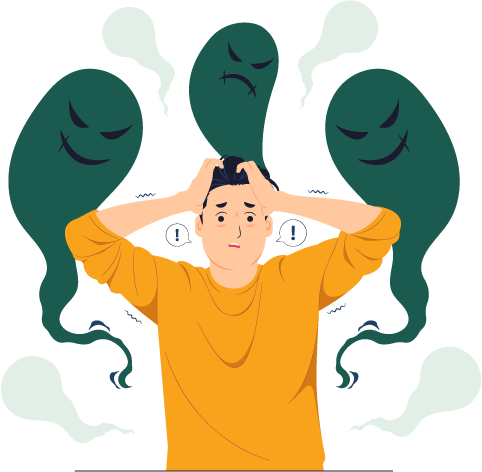
Schizophrenia is a chronic psychiatric disorder that affects how a person thinks, feels, perceives reality, processes thoughts, and behaves. Its common symptoms include hallucinations, delusions, disorganized thinking/behavior, and negative symptoms like social withdrawal and avolition. Over time, cognitive and functional decline may occur.
We deliver personalized care with ongoing monitoring to adjust the treatment plan based on symptom progression and treatment response.
Read More We deliver personalized care with ongoing monitoring to adjust the treatment plan based on symptom progression and treatment response.
Obsessive-Compulsive Disorder (OCD) Treatment
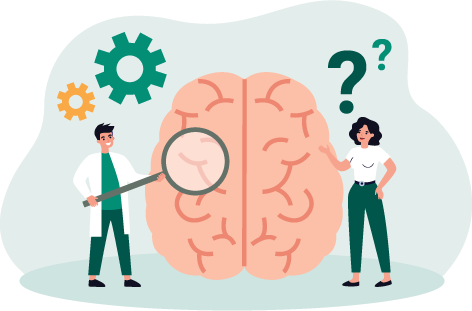
Obsessive-Compulsive Disorder involves intrusive thoughts (obsessions) that cause distress and make patients perform repetitive behaviors (compulsions) to reduce that distress.
These symptoms are hard to control, even when the symptoms and their pattern are recognized. Our providers offer treatment, including therapy, counseling, and medication, to reduce the severity of symptoms (obsessive thinking and compulsive behavior).
Read More These symptoms are hard to control, even when the symptoms and their pattern are recognized. Our providers offer treatment, including therapy, counseling, and medication, to reduce the severity of symptoms (obsessive thinking and compulsive behavior).
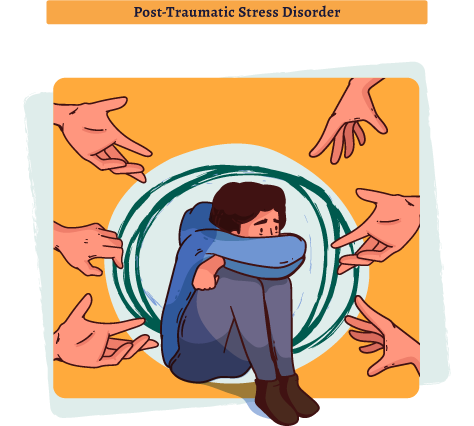
Post-Traumatic Stress Disorder (PTSD) Treatment
PTSD is a mental health condition that is triggered when a person experiences or witnesses a life-threatening, violent, or terrifying event like an earthquake, assault, death, or accident. These unfortunate events lead to symptoms like flashbacks, nightmares, and avoidance of people, places, and situations related to traumatic events.
Our providers review your trauma history, symptom duration, and functional impairment to develop a treatment plan (therapy, medication) that reduces the symptoms and their effect on daily life.
Read More Our providers review your trauma history, symptom duration, and functional impairment to develop a treatment plan (therapy, medication) that reduces the symptoms and their effect on daily life.
Mood Disorder Treatment
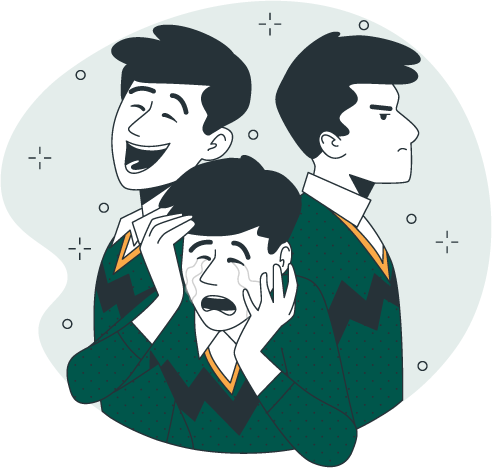
Mood disorders are mental health conditions that significantly change a person’s mental state from extreme lows (depression) to extreme highs (mania) that affect daily functioning over time.
Symptoms include sadness, fatigue, guilt, irritability, insomnia, social withdrawal, extreme energy, and high impulsivity. Our provider creates a treatment plan that includes therapy and medication to help regulate emotional symptoms and their impact on daily life.
Symptoms include sadness, fatigue, guilt, irritability, insomnia, social withdrawal, extreme energy, and high impulsivity. Our provider creates a treatment plan that includes therapy and medication to help regulate emotional symptoms and their impact on daily life.
Eating Disorder Treatment
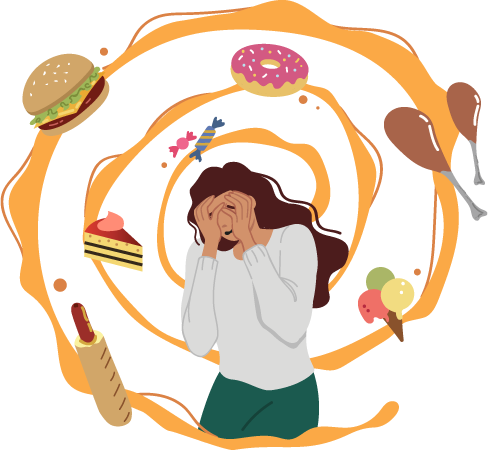
Eating disorders are complex mental health conditions. They affect how people eat, think, and see themselves. Its symptoms include unhealthy relationships with food, weight, and distressing thoughts and emotions about body image, which can lead to severe physical and emotional consequences if untreated.
Our treatment includes nutritional monitoring, therapy, counseling, and medication used when needed to address emotional issues and impulse-control symptoms to restore body image.
Read More Our treatment includes nutritional monitoring, therapy, counseling, and medication used when needed to address emotional issues and impulse-control symptoms to restore body image.
Substance Use Treatment
Addiction, clinically referred to as substance use disorder, is characterized by impaired control over the use of a substance despite its harmful physical and psychological consequences.
Our provider follows a comprehensive assessment to identify the substance type the patient is using, its severity, and screen for co-occurring conditions to develop a treatment plan that includes therapy, counseling, and medication when needed.
Read More Our provider follows a comprehensive assessment to identify the substance type the patient is using, its severity, and screen for co-occurring conditions to develop a treatment plan that includes therapy, counseling, and medication when needed.