
Personalized ODD Treatment for Children in New Jersey

Oppositional Defiant Disorder (ODD) is a mental condition in which children constantly show disobedience, opposition, argumentativeness, and hostile behavior. Most of the time, children show these behavior patterns when they are upset, stressed, fearful, in danger, hungry, or tired.

Capital Psychiatry Group focuses on creating personalized treatment to help your child manage ODD symptoms. Our approach is patient-centered, meaning that your child’s unique needs will be prioritized, and the care plan will reflect their long-term care requirements.

Turn ODD Challenges Into Moments to Understand Your Children

Approximately 1-16% of school-age children, teens, & adolescents experience ODD. They defy, disobey, or argue with parents, caregivers, and teachers, which ultimately affects their ability to learn, behave, & progress.

Early intervention is important to evaluate symptoms & develop coping strategies to improve emotional stability and behavior. The child psychiatrist, psychologist, and CPG provide care that includes therapy, counseling, and medication when needed. In person or via telehealth, we are here to help.

ODD Severity Levels

ODD severity is described as mild, moderate, or severe, based on the number of settings in which symptoms occur.

Mild ODD

Symptoms are present in only one setting, like home or school.

Moderate ODD

Symptoms that are present across at least two settings (e.g., home and school).

Severe ODD

Symptoms significantly affecting daily life appear in three or more settings.

Symptoms of ODD

Some oppositional behavior during early childhood and adolescence is normal unless it is frequent and affects daily life. These are common ODD symptoms that a child might experience for at least 6 months.

How We Diagnose ODD in Children (Not Just Behavior)

Our mental health professional uses assessments and evidence-based screening tools, all under clinical judgment and supervision, to evaluate and diagnose ODD.

Diagnosis requires at least four qualifying symptoms lasting at least six months, including during interactions with at least one non-sibling. The clinician also assesses whether the behaviors exceed what is expected for the child’s developmental level and cause distress or interfere with daily functioning.

Therapies and Counseling We Offer For ODD

The licensed psychologists at CPG offer a wide range of therapies and counseling services. Our therapy services include, but are not limited to:

Why Choose Us for ODD Treatment

Capital Psychiatry Group delivers care through top psychologists and psychiatrists who focus on patient-centered care to help children manage behavior and regulate emotions effectively. Here’s why parents trust Capital Psychiatry Group:

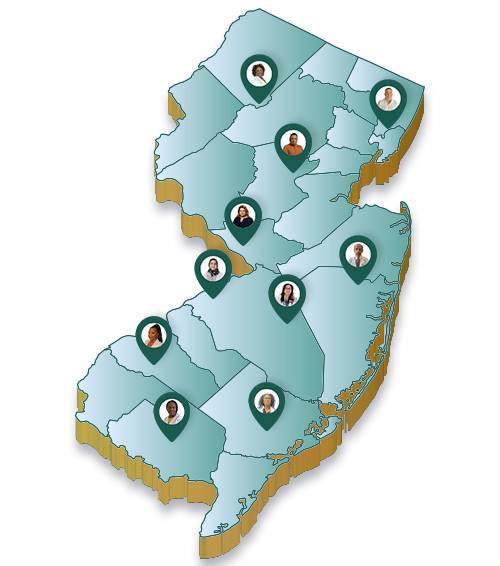
ODD Care Services Across New Jersey

Capital Psychiatry Group offers both in-clinic and online appointments in New Jersey. No matter where you are in New Jersey, we are here to help you. In-person care is available at our clinics in Hamilton Township, Ewing Township, Newark, South Plainfield, Cinnaminson, and Delran.

Online visits make it easier for busy parents to join parent management training from home or work, without pulling a child out of school. Whichever format you choose, your child’s provider can work with teachers and school counselors, with your consent, so behavior strategies stay consistent between home and the classroom.

Every child pushes back sometimes. Toddlers test limits, school-age kids argue about bedtime, and teens fight for independence. These are healthy parts of development. ODD is different in three key ways.

Frequency. For children under 5, oppositional behavior appears on most days. For children 5 and older, it shows up at least once a week, week after week. Occasional bad days don’t count.

Intensity. The anger, arguing, or spitefulness is far stronger than what you’d expect for your child’s age and the situation. A small request can trigger a major blowup.

Impact. The behavior damages family life, school, or friendships. Parents often describe “walking on eggshells” to avoid setting their child off.

Another clue is the pattern of who receives the behavior. Defiance in ODD is usually aimed at adults in authority, such as parents and teachers. It may also come with persistent irritability, not just occasional frustration.

If you’re unsure whether your child’s behavior crosses the line, a professional evaluation can give you a clear answer. Call Capital Psychiatry Group at 609-323-5252 to talk through your concerns.

No single factor causes ODD, and it is not caused by bad parenting. It develops from a mix of influences that build on each other over time.

Temperament. Some children are born more intense, more easily frustrated, and slower to calm down. These traits are visible from infancy and make limit-setting harder from the start.

Biology and genetics. ODD is more common in families with a history of ADHD, mood disorders, or substance use. Differences in how the brain manages emotion and impulse control also play a role.

Family patterns. Without meaning to, families can fall into what researchers call a coercive cycle. A parent makes a request, the child escalates, and the parent backs down to end the conflict. The child learns that escalation works, and the parent learns to avoid requests, so both behaviors grow.

Environmental stress. Divorce, a move, financial strain, community violence, or trauma can increase irritability and defiance in vulnerable children.

Understanding these causes isn’t about blame. Parents are part of the solution precisely because they have the most influence in a child’s life, and treatment gives you tools that make that influence work for your family again.

ODD symptoms usually first appear in the preschool or early elementary years, and the disorder can be diagnosed in children as young as three or four. New symptoms beginning after early adolescence are uncommon, so first-time defiance in an older teen often points clinicians toward other explanations.

Diagnosing young children takes extra care. Tantrums and “no” are a normal part of toddlerhood, so clinicians compare behavior against what’s typical for that specific age. They look closely at how often outbursts happen, how long they last, and how quickly a child recovers.

Toddlers and preschoolers with ODD tend to have tantrums that are longer, more frequent, and more aggressive than peers. They may refuse almost every routine request.

School-age children often argue constantly, deliberately annoy siblings or classmates, and blame others for their mistakes.

Preteens may show more spite, resentment, and refusal at school.

Early diagnosis is an advantage. Young children’s behavior responds especially well to parent-focused treatment, and patterns are easier to change before they’re set. Capital Psychiatry Group evaluates children across New Jersey, in person or online.

ODD often changes shape as children grow, which is why it can be missed in older kids.

In teenagers, defiance becomes less about tantrums and more about refusal and resentment. Teens may ignore curfews, refuse chores or homework, argue over every rule, and respond with sarcasm or silent treatment. Irritability can show up as slammed doors, constant conflict with teachers, or hostility toward siblings. Some teens become passive-aggressive, agreeing to a request and then deliberately not doing it.

In adults, ODD traits may continue as chronic irritability, frequent conflict with bosses or authority figures, difficulty accepting criticism, and blaming others for problems. Adult ODD is less studied, and many adults who struggled as children were never formally diagnosed.

Teen ODD carries some added risks. Ongoing conflict at home can push teens toward risky peer groups, substance use, or school failure. Irritability that persists through adolescence is also linked with later anxiety and depression.

Treatment for teens shifts from parent training alone toward a combined approach. The teen builds skills for emotional regulation and problem-solving, while parents learn to negotiate rather than battle. Older teens and adults who recognize these patterns in themselves can also be evaluated.

ODD and ADHD often appear together, and they can look similar from the outside. The key difference is in why a child doesn’t follow through.

With ADHD, the problem is mostly “can’t.” A child forgets instructions, gets distracted halfway through a task, or acts before thinking. They may want to comply but struggle to hold attention or control impulses.

With ODD, the problem is mostly “won’t.” A child hears the instruction, understands it, and refuses, often with arguing, anger, or deliberate provocation.

Many children have both, and the combination is harder on families than either alone. Untreated ADHD can feed ODD. A child who is constantly corrected for distraction and impulsivity may become frustrated, resentful, and defiant over time.

That’s why a careful evaluation matters. If ADHD is present, treating it often reduces oppositional behavior significantly, sometimes before any ODD-specific therapy begins. If ADHD is not present, the treatment plan focuses on the defiance itself.

Capital Psychiatry Group screens for ADHD as part of every ODD evaluation, so the plan addresses what’s actually driving your child’s behavior.

ODD and conduct disorder (CD) are related, but they differ in seriousness.

ODD centers on anger, irritability, arguing, and defiance, mainly toward parents, teachers, and other authority figures. Children with ODD may be difficult and spiteful, but they generally don’t seriously violate other people’s rights.

Conduct disorder involves a persistent pattern of behavior that harms others or breaks major rules. This includes:

  • Aggression toward people or animals, such as bullying, fighting, or cruelty
  • Destruction of property, including deliberate fire-setting
  • Deceit or theft, such as lying to obtain things or breaking into homes or cars
  • Serious rule violations, such as running away overnight or skipping school regularly before age 13

Some children with ODD later develop conduct disorder, especially when ODD begins early, is severe, and goes untreated. Many children with ODD never do.

In adults, conduct disorder that continues past 18 can lead to a diagnosis of antisocial personality disorder. Early, effective ODD treatment is one of the best ways to reduce this risk.

Not every defiant child has ODD. Several conditions can produce behavior that looks oppositional, and each needs a different approach.

Anxiety. An anxious child may refuse school, activities, or transitions because they’re afraid, not defiant. Pushing harder often makes refusal worse.

Autism and demand avoidance. Some autistic children strongly resist everyday requests. A profile known as pathological demand avoidance (PDA) is not a formal diagnosis, but it describes anxiety-driven avoidance that responds better to low-pressure strategies than to standard discipline.

Disruptive mood dysregulation disorder (DMDD). DMDD involves severe temper outbursts three or more times a week, plus irritable or angry mood nearly every day between them. It is diagnosed between ages 6 and 18, with symptoms starting before age 10. When a child meets criteria for both, DMDD is diagnosed instead of ODD.

Learning disorders and language delays. Children who struggle to read or process language may act out to avoid tasks that feel impossible.

Trauma. Children who have experienced abuse, loss, or violence may show anger and distrust toward adults as a protective response.

Sleep problems. Chronic sleep loss can cause irritability that closely resembles ODD.

A thorough evaluation helps make sure your child gets treatment for the right condition.

Some children do outgrow oppositional behavior, particularly when symptoms are mild and family stress eases. But waiting for ODD to resolve on its own is a gamble, and the risks of untreated ODD grow over time.

Without treatment, families often experience:

  • Escalating conflict at home, as the cycle of demands, defiance, and retreat repeats daily
  • Falling school performance, discipline problems, and strained teacher relationships
  • Social difficulties, as peers pull away from a child who is often angry or spiteful
  • Later emotional problems, since persistent childhood irritability is linked with anxiety and depression in adolescence and adulthood
  • Teen risk-taking, including substance use and risky friendships
  • Progression to more serious conduct problems in a smaller group of children

The encouraging news is that ODD responds well to treatment, especially when it starts early. Most improvement comes from changing everyday interactions between children and the adults around them, which means progress can show up at home within weeks.

If your child’s behavior has lasted months and isn’t improving, it’s worth an evaluation now rather than hoping it passes. Reach Capital Psychiatry Group at 609-323-5252.

Research consistently shows that parent-focused behavioral therapy is the most effective first-line treatment for ODD, especially for younger children. Several well-studied programs share the same core principles.

Parent-Child Interaction Therapy (PCIT). Designed for children ages 2 to 7, PCIT coaches parents live while they play with their child, often through an earpiece. The first phase builds warmth and attention using PRIDE skills (Praise, Reflect, Imitate, Describe, Enjoy). The second phase teaches clear commands and consistent follow-through.

Parent Management Training (PMT). Suited to school-age children and preteens, PMT teaches parents to use specific praise, reward systems, and predictable consequences to shape behavior.

Incredible Years and Triple P. These structured parenting programs use similar principles and are widely used in schools and communities.

Collaborative & Proactive Solutions (CPS). Developed by psychologist Ross Greene, CPS treats defiance as a lagging skill rather than willful behavior. Parents and children solve recurring problems together.

Individual skills training for the child. Older children and teens benefit from learning anger management, emotional regulation, and problem-solving directly.

Your CPG psychologist will recommend the approach that fits your child’s age, symptoms, and family situation.

Many parents are surprised, and sometimes frustrated, to learn that ODD treatment involves them so heavily. It’s a common question, and the answer is rooted in how ODD works.

Parents are with the child most. A therapist sees a child for an hour a week. Parents are present for the other 167 hours, where most defiant behavior actually happens.

Behavior responds to daily interactions. ODD is maintained by patterns between a child and the adults around them. When parents change how they give instructions, praise, and follow through, children’s behavior changes in response.

Young children can’t change patterns alone. A five-year-old can’t be talked into regulating their emotions in a therapist’s office. They learn through consistent experiences at home.

It’s not a judgment. Parent-focused treatment doesn’t mean you caused ODD. It means you’re the most powerful tool for fixing it. The skills involved are not instinctive for most parents of an intense child, and they work best when learned with coaching.

Many parents report that their own stress drops as conflict decreases and they feel more confident handling difficult moments. As children get older, treatment includes more direct work with the child alongside parent sessions.

No medication is FDA-approved specifically for ODD, and behavioral therapy remains the first-line treatment. Medication can still play an important role in certain situations.

When ADHD is also present. Stimulant medications such as methylphenidate and amphetamine-based treatments often reduce oppositional behavior along with ADHD symptoms. Non-stimulant options such as guanfacine extended-release and atomoxetine can also help.

When irritability or aggression is severe. In some cases, a psychiatrist may consider other medications to reduce dangerous aggression, usually short-term and alongside therapy. Some of these require close monitoring of weight, blood sugar, and other side effects.

When another condition is driving behavior. Treating co-occurring anxiety, depression, or sleep problems can ease irritability that fuels defiance.

Medication works best as part of a plan, not on its own. It can lower the intensity of outbursts enough for a child to benefit from therapy and for parents to practice new strategies.

At Capital Psychiatry Group, child psychiatric providers review the full picture before recommending medication. They explain the benefits and risks to you, and monitor your child closely if medication is started. To discuss whether medication makes sense for your child, call 609-323-5252.

Treatment length depends on your child’s age, the severity of symptoms, and whether other conditions are present. Most families see progress in stages.

Early changes. Many parents notice fewer daily battles within the first several weeks, once new strategies like specific praise and consistent follow-through become routine.

Core treatment. Parent-focused programs often run about 12 to 20 sessions. PCIT is mastery-based, meaning families graduate once they reach specific skill goals rather than after a fixed number of visits. Some families finish faster and others take longer.

Longer-term support. Children with severe ODD, co-occurring ADHD, or significant family stress may need several months of ongoing care. Booster sessions can help after major changes like starting a new school or a family move.

Medication timelines vary. When ADHD medication is part of the plan, improvements in behavior can appear quickly once the right dose is found.

Progress isn’t always a straight line. Behavior sometimes gets briefly worse when parents first start setting consistent limits, because children test whether the new rules will hold. This “extinction burst” is a sign that the strategy is working, not failing.

Traditional discipline often backfires with ODD, because children with this condition are wired to push back against control. The strategies that work best are consistent, calm, and heavily weighted toward the positive.

What tends to work:

  • Specific praise. Catch your child being good and say exactly what you liked: “Thank you for putting your shoes away the first time I asked.”
  • Clear, single commands. Give one direct instruction at a time, in a calm voice, and avoid phrasing it as a question.
  • Planned ignoring. Let minor attention-seeking behavior, like whining or eye-rolling, pass without reaction.
  • Brief, predictable consequences. Short time-outs or loss of a specific privilege, delivered every time, work better than large, emotional punishments.
  • Reward systems. Point charts or token systems help younger children see progress and stay motivated.

What usually backfires:

  • Yelling, long lectures, and repeated threats
  • Physical punishment, which increases aggression
  • Consequences that change depending on your mood
  • Giving in after a tantrum, which teaches that escalation works
  • Different rules between parents or households

These skills are hard to apply consistently with a child who constantly tests limits. That’s why coached parent training is far more effective than reading tips alone.

Power struggles feed ODD, because every argument gives a child a chance to win. Ending them is less about winning and more about stepping off the battlefield.

In the moment:

  • Stay calm and lower your voice. Children with ODD mirror your intensity. A quieter tone often de-escalates faster than a louder one.
  • Don’t argue or negotiate mid-meltdown. A child in full meltdown can’t reason. Save the discussion for later.
  • Offer two acceptable choices. “Do you want to brush your teeth first or put on pajamas first?” gives a sense of control without giving up the expectation.
  • Use “when/then” statements. “When your homework is done, then you can play video games” is clearer and less confrontational than a threat.
  • Give space. Let your child cool down in a safe spot rather than demanding immediate compliance.
  • Put safety first. If your child is hitting, throwing, or breaking things, focus on keeping everyone safe before addressing the behavior.

After the storm:

  • Revisit calmly. Once everyone is regulated, talk briefly about what happened and what to try next time.
  • Notice recovery. Praise your child for calming down, which reinforces the skill you want to grow.

Over time, fewer struggles mean fewer chances for defiance to be rewarded.

School is often where ODD causes the most visible problems, from classroom disruption to suspensions. New Jersey schools have several tools to help.

Intervention and Referral Services (I&RS). Every New Jersey public school has an I&RS team that develops support plans for students who are struggling with behavior, often before any formal special education process.

Functional Behavioral Assessment (FBA). An FBA identifies what triggers your child’s defiance at school and what keeps it going. It leads to a Behavior Intervention Plan (BIP) with specific strategies for teachers to use.

504 plans and IEPs. Students whose ODD significantly affects learning may qualify for a 504 plan or an Individualized Education Program. In New Jersey, behavioral and emotional needs may qualify under the special education category of emotional regulation impairment.

Daily report cards. A simple home-school tracking sheet links positive behavior at school to rewards at home, keeping everyone consistent.

Classroom strategies that help include giving choices, delivering corrections privately rather than in front of peers, and avoiding public power struggles.

SPAN Parent Advocacy Network, New Jersey’s parent training and information center, can help families navigate school meetings. Your child’s CPG provider can also supply evaluation findings and treatment recommendations, with your consent, so school strategies support the plan at home.

Some preparation can make your child’s evaluation more accurate and less stressful for everyone.

Gather records. Bring recent report cards, teacher notes, discipline or suspension records, and any existing IEP or 504 plan. Notes from your pediatrician and prior evaluations are also helpful.

Keep a short behavior log. For one to two weeks, track outbursts using a simple ABC format: the Antecedent (what happened right before), the Behavior itself, and the Consequence (what happened right after). Patterns that are hard to see day to day often become clear on paper.

Expect rating scales. Clinicians often use standardized questionnaires completed by parents and teachers. Common examples include the Vanderbilt Assessment Scales, the Child Behavior Checklist (CBCL), and the Conners Rating Scales. You may be asked to share forms with your child’s teacher ahead of time.

Talk to your child simply. Explain that you’re meeting someone who helps families get along better and makes home less stressful. Avoid framing it as punishment or “fixing” them.

For telehealth visits, choose a quiet, private space and test your device beforehand.

Coming prepared helps your provider reach answers faster. Book your child’s evaluation with Capital Psychiatry Group at 609-323-5252.

ODD affects the whole household, not just the child with the diagnosis.

Siblings may feel overlooked because so much attention goes to managing conflict. Some become frequent targets of teasing or aggression, while others try to be “the easy one” and hide their own needs. Scheduling short one-on-one time with each sibling and protecting their space and belongings helps them feel seen and safe.

Co-parenting is often tested by ODD. Children quickly notice when parents disagree and may play one against the other. Agreeing on rules, consequences, and responses, even when parents live in separate households, is one of the most powerful changes a family can make. Grandparents and other regular caregivers benefit from the same plan.

Parent stress runs high. Constant conflict can lead to exhaustion, guilt, isolation, and strain on relationships. Parents of children with ODD often feel judged by others who don’t understand the condition.

Caring for yourself is part of treatment, not a luxury. Short breaks, sharing duties, and support from other parents all help. If your own stress, anxiety, or low mood is building, Capital Psychiatry Group can support parents too, since a calmer adult makes every ODD strategy more effective.

Daily routines don’t cause ODD, but they can make symptoms noticeably better or worse.

Sleep. Even mild sleep loss increases irritability and lowers frustration tolerance. Children ages 6 to 12 generally need 9 to 12 hours of sleep a night, and teens need 8 to 10 hours. Consistent bedtimes and wake times, even on weekends, help.

Screens. Transitions away from screens are a common trigger for meltdowns. Giving a five-minute warning, using a visual timer, and setting predictable screen schedules reduce battles. Turning screens off an hour before bed also supports better sleep.

Predictable routines. Children with ODD often react strongly to surprises. A consistent order for mornings, after school, and bedtime cuts down on repeated instructions and arguments. Visual schedules work well for younger children.

Physical activity. Regular exercise helps children release energy and improves mood regulation. Even a short daily walk or active play can make a difference.

Transition planning. Previewing changes in advance, like a doctor’s appointment or a visit to relatives, helps children prepare rather than resist.

These adjustments work best alongside structured parent training. Your CPG provider can help you identify which routines matter most for your child.

Most ODD behavior is exhausting but not dangerous. Some situations, however, need immediate help rather than waiting for a scheduled appointment.

Seek urgent help if your child:

  • Threatens or attacks someone with a weapon or causes serious injury
  • Talks about wanting to die, hurt themselves, or “not be here anymore”
  • Runs away or disappears without contact
  • Destroys property in a way that puts people at risk
  • Is so out of control that you can’t keep them or others safe

What to do:

  • Call 911 if anyone is in immediate physical danger.
  • Call or text 988, the Suicide & Crisis Lifeline, if your child talks about suicide or self-harm.
  • Call PerformCare at 1-877-652-7624. This is the access line for New Jersey’s Children’s System of Care, available 24 hours a day. Through Mobile Response and Stabilization Services, trained clinicians can come to your home, often within an hour, to help calm a crisis, at no charge to call.

After any crisis, contact your child’s provider to review what happened and adjust the treatment plan. Capital Psychiatry Group can help build a safety plan so your family knows exactly what to do if behavior escalates again.

Capital Psychiatry Group accepts all insurance plans, including Medicare and Medicaid. Many children in New Jersey are covered through NJ FamilyCare, which includes behavioral health services.

What’s usually covered. Most plans cover evaluations, individual therapy, family therapy, and psychiatric visits for ODD when they are medically necessary. Medication management visits are typically covered as well.

Parent-only sessions. Because ODD treatment relies heavily on parent training, some sessions may involve only parents. Many plans cover family therapy sessions without the child present, but coverage rules vary, so it’s worth confirming ahead of time.

Out-of-pocket costs. Copays, coinsurance, and deductibles depend on your specific plan. Our team verifies your benefits before your child’s first visit, so you know what to expect.

Additional state support. Families may also be eligible for publicly funded in-home and care management services through New Jersey’s Children’s System of Care, accessed through PerformCare.

Questions about your plan? Call Capital Psychiatry Group at 609-323-5252, and our team will walk you through your coverage for your child’s ODD care.

Your mental health matters at Capital Psychiatry Group. We offer evaluations, BHI, and precision medication management to fully optimize your mental health.

Leaving so soon? Fill out the form and stay in touch!

Let's have a chat

Book Your Appointment Now