
Schizophrenia Treatment
Schizophrenia is a chronic brain disorder that impacts how people see, think, communicate, feel, and perceive reality, caused by a combination of genetic, neurological, and environmental factors. It is considered a neurodevelopmental condition that affects almost every aspect of a patient’s life, including how they process information, maintain relationships, and function independently.
With the help of licensed psychiatrists and psychologists at Capital Psychiatry Group, you can manage your symptoms through evidence-based therapy and medication under one coordinated care team. We specialize in providing structured, individualized schizophrenia treatment in New Jersey for patients of all ages, in person and through secure telehealth.
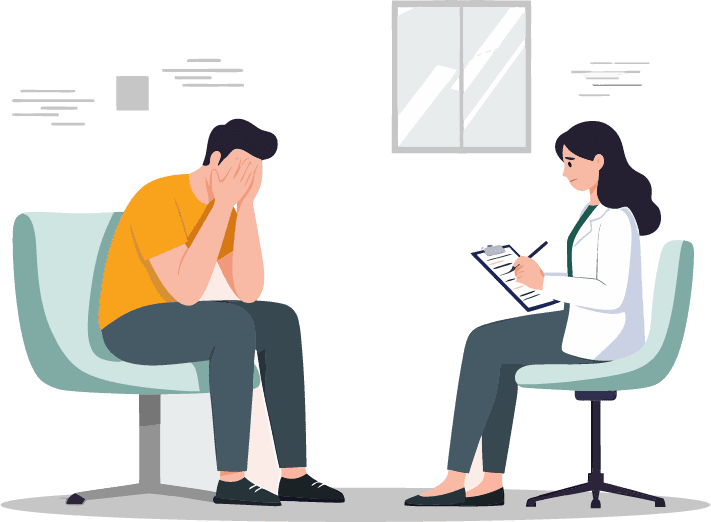
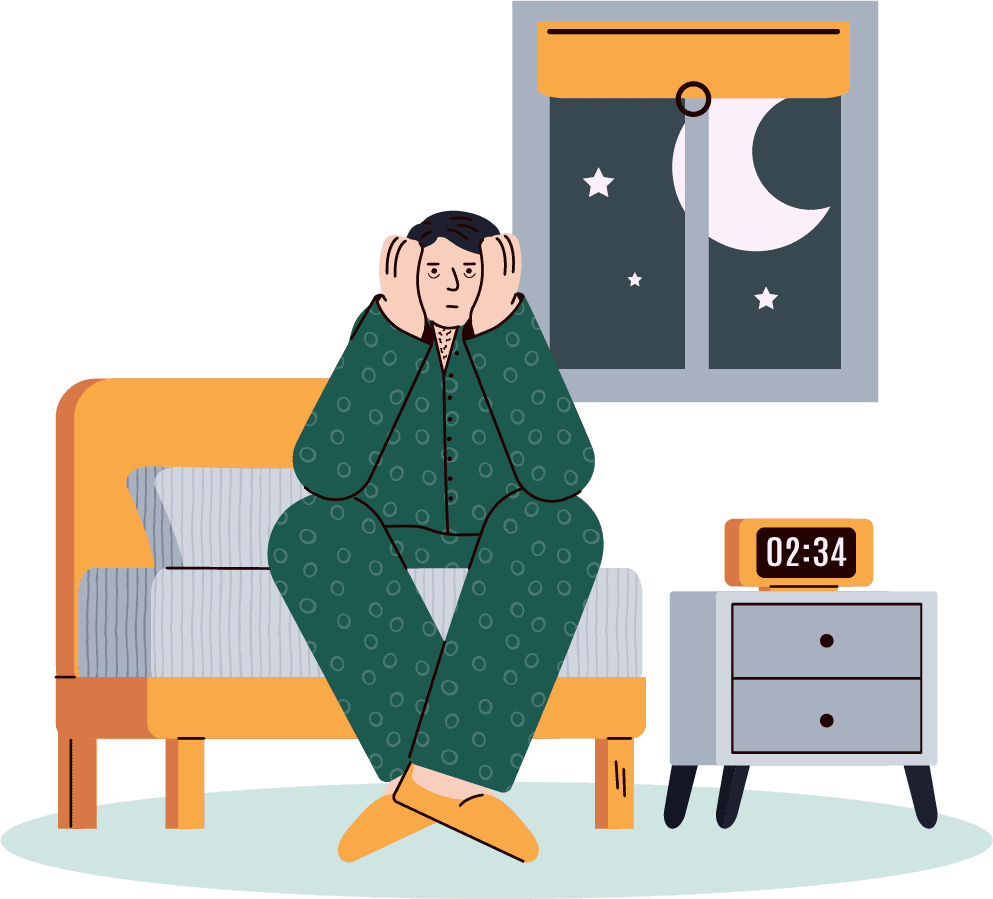
Schizophrenia Disrupting Life? CPG Delivers Hope and Help
Schizophrenia affects approximately 24 million people worldwide and between 0.25% and 0.64% of the US population. It comes with a set of symptoms and co-existing conditions such as depression, anxiety, and bipolar disorder that require coordinated care rather than treatment of one condition at a time.
The onset of schizophrenia often begins in puberty, with symptoms in adult males typically appearing in the early twenties and in females between the early twenties and early thirties. Capital Psychiatry Group’s schizophrenia specialists use evidence-based treatment combining therapy and medication to help patients of all ages regain clarity, stabilize symptoms, and rebuild relationships. Early, consistent treatment produces significantly better long-term outcomes than delayed or interrupted care.
Common Symptoms of Schizophrenia
Schizophrenic symptoms can vary widely from person to person, but they generally fall into three categories: positive, negative, and cognitive. Globally, studies show that men have a higher incidence of schizophrenia than women, and presentation can differ meaningfully between sexes in timing, severity, and the balance of symptom types.
Positive Symptoms of Schizophrenia
- Hallucinations (hearing, seeing, or sensing things that aren’t there)
- Delusions (strongly held false beliefs)
- Disorganized speech or thinking
- Unusual or erratic body movements
Negative Symptoms of Schizophrenia
- Lack of motivation or initiative
- Blunted or flat emotional expression
- Social withdrawal or isolation
- Reduced ability to experience pleasure
Cognitive Symptoms
- Trouble focusing or paying attention
- Difficulty making decisions
- Impaired executive functioning
Our Schizophrenia Treatment Process in New Jersey
Because schizophrenia presents differently in each patient, there is no single diagnostic test. Evaluation combines a structured psychiatric interview, symptom history, medical history, and screening for co-occurring conditions, with diagnosis following DSM-5 criteria. Its onset is typically earlier in males than in females, which is one reason early specialist involvement matters for adolescents showing concerning signs.
The schizophrenia specialists at CPG provide a structured, stepwise treatment process combining psychiatric evaluation, evidence-based medication, and therapy tailored to each patient’s symptoms, goals, and stage of illness.
- Initial Psychiatric Evaluation: A comprehensive assessment covering symptom history, onset, severity, functional impact, differential diagnosis, and screening for co-occurring conditions.
- Personalized Medication Management: Our psychiatrists prescribe and monitor FDA-approved antipsychotic medications, the clinical foundation of schizophrenia treatment, while carefully managing side effects.
- Cognitive Behavioral Therapy (CBT): Our therapists help patients challenge unhelpful thought patterns, manage residual symptoms, and build practical coping skills for daily life alongside medication
- Ongoing Monitoring & Support:We track progress and adjust treatment as needed to ensure long-term stability, since schizophrenia is a long-term condition requiring consistent follow-up rather than episodic care.
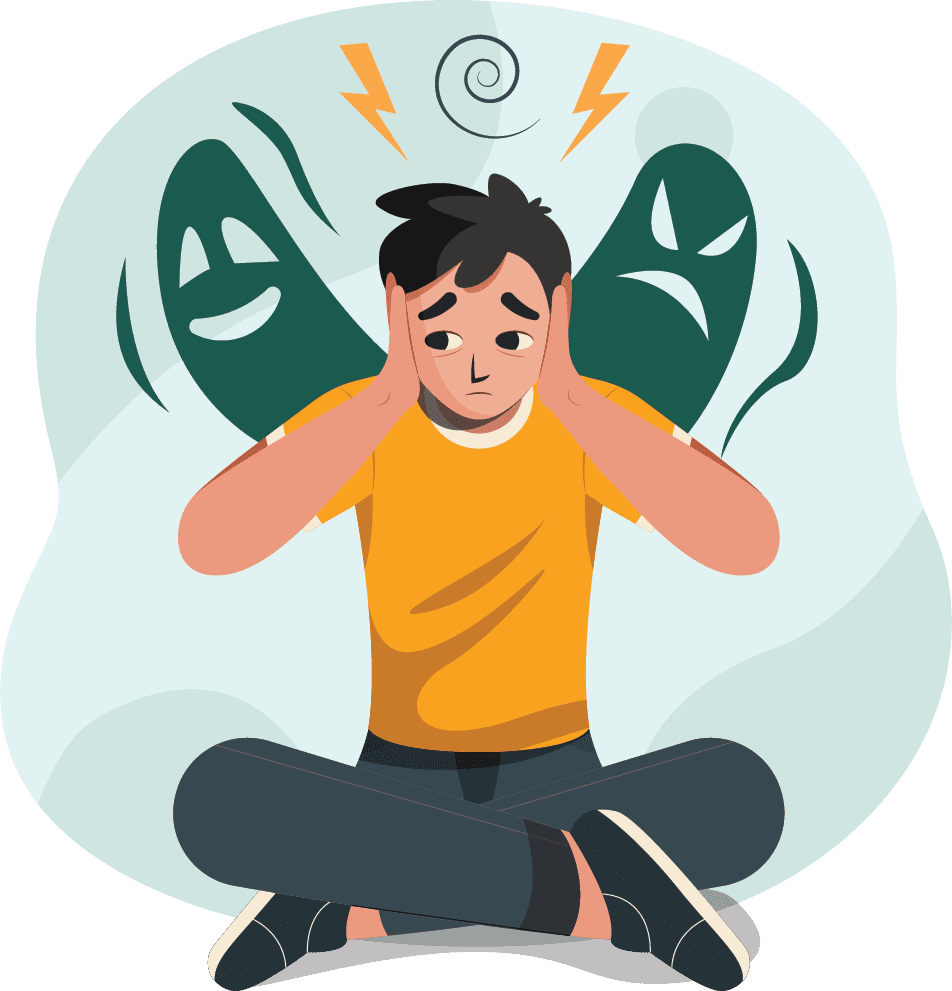
Therapies and Counseling Services of CPG for Schizophrenia
The schizophrenia specialists at Capital Psychiatry Group provide evidence-based therapy alongside medication management, since structured psychological support improves outcomes beyond what medication alone achieves. Therapy helps patients develop insight, build functional skills, reduce relapse risk, and maintain relationships during and after stabilization.
Cognitive Behavioral Therapy (CBT)
Cognitive Therapy
Behavioral Therapy
Cognitive-Behavioral Family Therapy
Supportive Psychotherapy
Group Therapy
Marriage Therapy
Psychological Consultation
Mental Health Consultation
Pain Psychology Consultation
Why Choose CPG for Schizophrenia Treatment?
Capital Psychiatry Group understands that schizophrenia can deeply impact every aspect of your life, your thoughts, emotions, decision-making, and relationships. Our team includes board-certified psychiatrists and licensed clinical psychologists with experience treating the full spectrum of schizophrenia presentations, from first-episode psychosis through long-term management. Recommendations follow current clinical evidence rather than habit, and every medication or therapy decision is explained in plain language before it is implemented.
- What Sets Us Apart:
- All insurances accepted
- Certified psychiatrists & clinical psychologists
- Multiple locations in New Jersey
- HIPAA-compliant telepsychiatry
- Same-day appointments
- Walk-in appointments
- Weekend Appointments
- Extensive Therapies for Schizophrenia
- Tailored medication management

Through Confusion, Toward Clarity
Find Stability with CPG
Schizophrenia can turn the simplest parts of life into heavy burdens. A conversation drifts away, emotions slip beyond reach, and focus scatters. But you are not alone in this journey, and the right clinical support makes sustained recovery realistic rather than aspirational.
The providers of CPG walk beside you with evidence-based care, offering personalized treatment, medication management, and therapies tailored to your life. Most patients can be seen within 24 hours, with same-day and walk-in appointments available across our New Jersey locations.
Areas We Serve Across New Jersey
Capital Psychiatry Group provides secure, professional schizophrenia treatment to patients throughout New Jersey. Whether you are in Newark, Ewing Township, Delran, Bayonne, South Plainfield, Basking Ridge, or elsewhere in the state, CPG is here to help through both in-person appointments and HIPAA-compliant telepsychiatry.
Our clinics serve Mercer, Essex, Middlesex, and Burlington counties, and telepsychiatry reaches every part of New Jersey for patients who cannot easily travel or who prefer care from home.

Schizophrenia most commonly emerges in the late teens to early twenties in men and slightly later, often in the mid-twenties to early thirties, in women. Before a full psychotic episode, many people go through a prodromal phase lasting months to a few years, marked by subtle changes rather than obvious symptoms: social withdrawal, declining performance at school or work, unusual suspiciousness, flattened emotional expression, disorganized thinking, or a general sense that something feels different about the person's thoughts or perceptions.
These early signs are frequently mistaken for typical teenage moodiness, depression, or stress, which is one of the main reasons diagnosis gets delayed. Family members often describe noticing a gradual personality shift before anything resembling hallucinations or delusions appears.
If you are searching for schizophrenia symptoms in a teenager or young adult in New Jersey and recognize this pattern, earlier evaluation generally leads to better long-term outcomes. Capital Psychiatry Group offers evaluations at our New Jersey clinics and by secure telehealth, and calling 609-323-5252 is the fastest way to get a concern properly assessed.
No, and this is one of the most common misunderstandings about the condition. Schizophrenia involves a disruption in how a person perceives and interprets reality, including hallucinations, delusions, and disorganized thinking, but it does not involve multiple distinct identities or personalities within one person.
The condition sometimes confused with schizophrenia in popular use is dissociative identity disorder, an entirely separate diagnosis with a different clinical presentation, different underlying causes, and a different treatment approach. The overlap in public perception largely comes from outdated media portrayals rather than clinical reality.
Because these two conditions are treated very differently, an accurate diagnosis matters. If you have questions about which pattern of symptoms you or a loved one is experiencing, our clinicians at Capital Psychiatry Group can walk through the distinction during an evaluation rather than leaving you to guess based on symptoms alone.
Yes. With consistent treatment, most people with schizophrenia are managed entirely on an outpatient basis and do not require hospitalization except during acute crisis periods. Many patients live independently, maintain relationships, and hold employment, particularly when treatment begins early and continues consistently over time.
Outcomes vary considerably between individuals, and some patients need more support than others, including supervised living arrangements or case management, especially earlier in the course of illness or after a period of untreated psychosis. Ongoing medication management combined with therapy and family involvement generally produces the most stable long-term trajectory.
Capital Psychiatry Group structures schizophrenia care around outpatient stability: regular psychiatric follow-up, therapy, and monitoring designed to catch early signs of relapse before they escalate to a crisis requiring a higher level of care. If you are searching for outpatient schizophrenia treatment near you in New Jersey rather than inpatient care, our clinics and telepsychiatry services are built specifically for that ongoing model.
Positive symptoms are experiences added to a person's mental state that are not typically there, including hallucinations, delusions, and disorganized speech or thinking. Negative symptoms are the absence or reduction of normal functioning, including flattened emotional expression, loss of motivation, social withdrawal, and reduced ability to experience pleasure.
This distinction shapes treatment significantly. Antipsychotic medication is generally effective for reducing positive symptoms like hallucinations and delusions, but negative symptoms tend to respond less robustly to medication alone and often require a combination of medication, structured therapy, and skills-based support to improve meaningfully.
Patients and families sometimes assume that if positive symptoms have resolved, treatment is complete, when negative symptoms such as low motivation or social withdrawal may still be significantly limiting daily functioning. A comprehensive treatment plan at Capital Psychiatry Group addresses both symptom categories rather than treating hallucinations as the only measure of progress.
Antipsychotic medications, the clinical foundation of schizophrenia treatment, carry a range of possible side effects that vary by specific medication. Common ones include weight gain, sedation, and metabolic changes affecting blood sugar and cholesterol. Some antipsychotics, particularly older first-generation medications, carry a higher risk of movement-related side effects such as tremor or restlessness.
Because of these risks, ongoing monitoring is a standard part of care rather than an afterthought. This typically includes periodic weight checks, blood pressure monitoring, and lab work to track metabolic markers, alongside direct conversation about how a medication is affecting you day to day.
Side effects are a legitimate reason to discuss a medication change rather than something to tolerate silently or stop taking abruptly. Capital Psychiatry Group psychiatrists review side effects at every follow-up and adjust dose, switch medications, or add supportive treatment when needed, always through a supervised process rather than an unplanned stop.
In most cases, no referral is required to book an evaluation directly with Capital Psychiatry Group. Some insurance plans, particularly certain HMO products, do require a referral or a designated primary care provider on file before a specialist visit is covered, and our staff identifies this during insurance verification so nothing is denied unexpectedly.
For a condition like schizophrenia, where delayed treatment is associated with a harder path to stabilization, we prioritize fast access. Same-day and walk-in appointments are available at our New Jersey clinics when the schedule allows, and telepsychiatry can often get a patient seen sooner than waiting for the next in-person opening.
If you or a family member searching for a psychiatrist near you in New Jersey is concerned about new or worsening psychotic symptoms, call 609-323-5252 directly rather than waiting. Our team will tell you honestly whether the situation calls for an urgent evaluation, a routine appointment, or emergency care.
You are right that no single lab test or imaging study diagnoses schizophrenia. Diagnosis rests on a structured clinical evaluation following DSM-5 criteria, which requires a specific combination and duration of symptoms, including at least one month of active psychotic symptoms such as hallucinations, delusions, or disorganized speech, alongside continuous signs of disturbance for at least six months.
The evaluation also rules out other explanations for the symptoms, including substance use, certain medical conditions, and other psychiatric diagnoses such as bipolar disorder with psychotic features or severe depression with psychosis, since these can present with overlapping features but require different treatment.
Family history, developmental history, and the pattern and timeline of symptoms are all part of building an accurate picture. Because this process takes time and clinical judgment, be cautious of any online tool or screening quiz claiming to diagnose schizophrenia. At Capital Psychiatry Group, diagnosis is always made through direct clinical evaluation by a licensed psychiatrist or psychologist.
Medication, specifically antipsychotic treatment, is the clinical foundation of schizophrenia treatment and is generally necessary for managing positive symptoms like hallucinations and delusions. But therapy plays a genuine and evidence-supported role alongside medication rather than as a replacement for it.
Cognitive Behavioral Therapy adapted for psychosis helps patients develop coping strategies for persistent symptoms, challenge distressing beliefs, and reduce the distress associated with hallucinations even when the hallucinations themselves have not fully resolved. Supportive psychotherapy and family therapy help address the practical and relational challenges that come with managing a chronic condition, including communication strategies that reduce household stress, which research links to lower relapse rates.
The strongest outcomes typically come from combining medication with structured therapy rather than relying on either alone. Capital Psychiatry Group integrates both approaches within one coordinated treatment plan, so your therapist and prescribing psychiatrist work from the same clinical picture.
Recognizing a first episode is difficult because early symptoms are often subtle: increasing suspiciousness, withdrawal from friends and family, strange or intense beliefs, disorganized speech, or a noticeable decline in hygiene and daily functioning. Family members are frequently the first to notice something has changed, often before the person experiencing it recognizes it themselves.
Approach the conversation with concern rather than confrontation, and avoid arguing directly about the content of unusual beliefs, since this rarely helps and can increase distress. Encourage an evaluation framed around getting support for stress, sleep, or general wellbeing if the person is resistant to a psychiatric label.
Capital Psychiatry Group welcomes calls from concerned family members, and our staff can talk through what you are observing and what a first step might look like, whether that is an in-person evaluation, a telepsychiatry appointment, or, if there is any immediate danger, directing you to emergency services. Call 609-323-5252 to discuss what you are seeing.
Yes. Group therapy is one of the services offered directly through Capital Psychiatry Group, providing a structured setting where patients connect with others managing similar experiences under professional facilitation. Beyond our own clinical services, New Jersey has community mental health resources through county-level behavioral health programs and national organizations such as NAMI, which operates local chapters offering family support groups and education programs specifically for people affected by schizophrenia and their relatives.
Family involvement is strongly associated with better outcomes in schizophrenia care, which is why we also offer couples and family therapy specifically structured to help partners and family members understand the condition and reduce household stress that can contribute to relapse.
If you are looking for schizophrenia support resources near you in New Jersey, ask our team at your next appointment. We can point you toward community resources alongside the clinical care we provide directly, since managing this condition well usually involves more than psychiatric appointments alone.
Capital Psychiatry Group has multiple outpatient clinic locations across New Jersey, serving Mercer, Essex, Middlesex, and Burlington counties, with telepsychiatry extending coverage to every part of the state, including areas where no clinic sits nearby. If you search for a schizophrenia psychiatrist near me or a schizophrenia clinic near me in New Jersey, our team can match you to the location or telehealth option that works best for your situation.
We accept all major insurance plans, including Medicaid, Medicare, Horizon BCBS, Aetna, Cigna, and UnitedHealthcare, and our staff verifies your specific coverage and copay before your appointment so there are no surprises. Behavioral health benefits for schizophrenia treatment, which typically involves more frequent follow-up than many other conditions, can differ from general medical benefits, which is part of why we confirm details in advance rather than after your visit.
Call 609-323-5252, and if you have found us through Google, feel free to mention which location came up so our team can direct you accordingly.
If a loved one or patient is in immediate danger, experiencing a severe psychotic episode with risk of harm to themselves or others, or expressing thoughts of suicide, do not wait for a scheduled appointment. Call or text 988 to reach the Suicide and Crisis Lifeline, available around the clock across New Jersey, or call 911, or go to the nearest emergency department.
For situations that are concerning but not immediately life-threatening, such as a noticeable worsening of symptoms, medication side effects, or a missed dose that is causing distress, call Capital Psychiatry Group at 609-323-5252. Our team will assess the situation over the phone and arrange the fastest safe option, which may include an urgent appointment, a same-day telehealth visit, or guidance on when emergency care is the more appropriate route.
Knowing the difference between an urgent concern and a true emergency in advance, ideally discussed with your psychiatrist before a crisis occurs, makes it easier to act quickly and appropriately when something does happen.