
Mood Disorder Treatment for Depression and Bipolar
A mood disorder is a mental health condition that changes the normal emotional state. If you have depression, you may feel sad and experience low energy, and if you have bipolar disorder, your mood will fluctuate between high and low. These changes in emotional states can disturb work, study, relationships, or even daily activities. Capital Psychiatry Group offers patient-centered treatment for mood disorders. We help patients understand what they are feeling and build a personalized treatment plan that is easily aligned with daily life.
To make sure that care is always within your reach, we offer both in-clinic visits and telehealth appointments. Accurate diagnosis is the foundation of effective treatment, since depression and bipolar disorder require meaningfully different approaches even when the depressive episodes look similar. Our clinicians are licensed to practice in New Jersey and follow current clinical guidelines rather than a single fixed protocol.

Emotional Changes Affecting Daily Life? Take Control With CPG
Almost 21.4% of U.S. adults experience a mood disorder at some time in their lives. In some cases, mood changes also impair energy, sleep, judgment, and behavioral control. During elevated or irritable mood periods, people may make impulsive or risky decisions. After the evaluation, our psychiatrists and psychologists may recommend therapy and counseling, while prescribing providers may recommend medication when appropriate.
Treatment options include therapy and counseling, and medication when needed. Because mood disorders frequently co-occur with anxiety, substance use, or trauma-related conditions, we screen for these alongside the primary diagnosis rather than treating a single symptom in isolation. Progress is reviewed at set points so your plan can be adjusted based on how you are actually responding.

Treatments We Offer for Mood Disorders
There are two major categories/types of mood disorders: depressive disorders and bipolar disorders. Both can include depressive episodes, but bipolar disorders also involve manic or hypomanic episodes. Getting this distinction right at evaluation matters, since a bipolar depressive episode treated as major depressive disorder alone can worsen the overall course of the illness. Our clinicians take a full history, including past mood episodes, before recommending a treatment path.
Depressive Disorders We Treat
- Major depressive disorder
- Persistent depressive disorder
- Seasonal affective disorder (SAD)
- Postpartum/peripartum depression
- Depression with psychosis
- Premenstrual dysphoric disorder (PMDD)
- Disruptive mood dysregulation disorder (DMDD)
Bipolar and Related Disorders We Treat
- Bipolar I disorder
- Bipolar II disorder
- Cyclothymic disorder (cyclothymia)
Signs and Symptoms of Mood Disorders
Mood changes become a problem when emotions are more intense, persistent, and disruptive than usual. Symptoms usually last for weeks or longer, and they affect daily functioning and self-care.
Mood disorder symptoms can overlap with anxiety, trauma-related conditions, substance use, etc., which is why a careful evaluation becomes nonnegotiable. A thorough clinical evaluation is what actually distinguishes them.
Symptoms of Depressive Mood Disorders
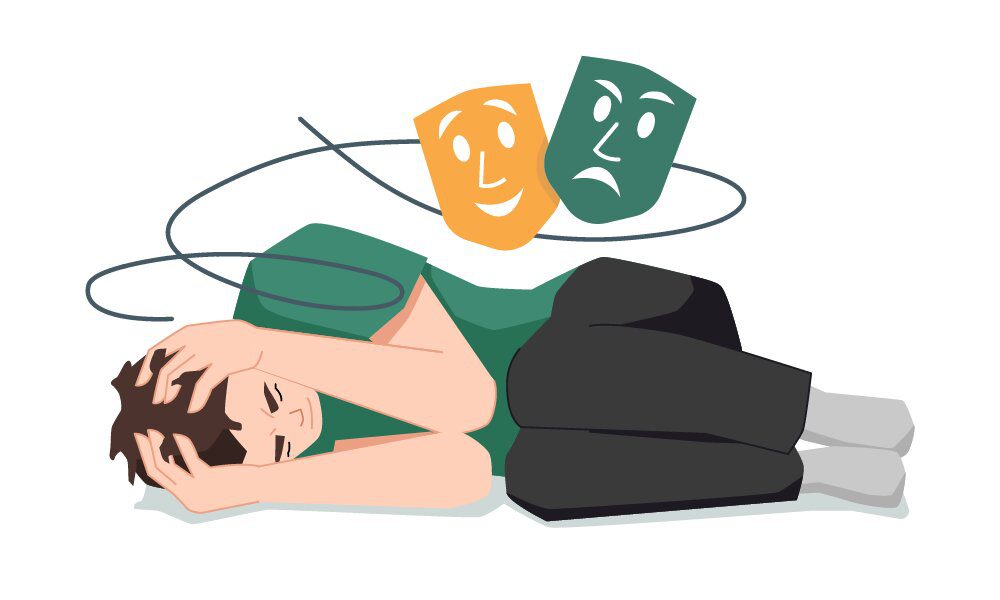
Depressive disorders often reduce pleasure and energy while increasing mental fatigue and confusion. Common symptoms include:
- Headache, feeling sad, empty, hopeless, anxious, or annoyed most days
- Lower energy, sluggishness, fatigue, or restlessness
- Reduced enjoyment in activities and social withdrawal
- Sleep disruption (too little or too much)
- Appetite changes (loss of appetite or overeating) and weight changes
- Difficulty focusing, remembering, or making decisions
- Negative thoughts about self, guilt, worthlessness
- Pessimism about the future
- Thoughts about death or suicide
Symptoms of Bipolar Mood Disorders
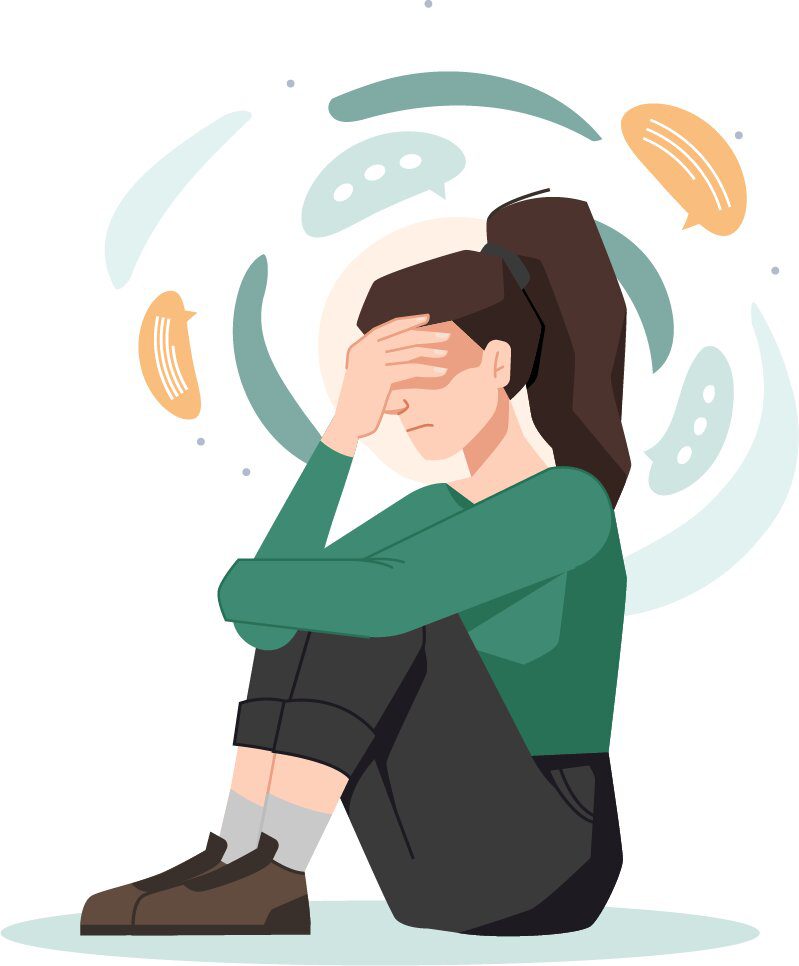
Bipolar disorders involve mood shifts between emotional lows (depression) and emotional highs (mania/hypomania). In elevated or irritable states, symptoms may include:
- Feeling unusually energized, euphoric, or intensely irritable
- Rapid speech, quick movements, and increased activity
- Rapid speech, quick movements, and increased activity
- Racing thoughts and distractibility
- Reduced need for sleep without feeling tired
- Impulsive decisions and risk-taking (spending, driving, substances, other high-risk choices)
- Pleasure-seeking behavior and increased confidence
Therapies and Counseling We Offer for Mood Disorders
Our licensed therapists offer effective therapies and counseling services to help you manage symptoms without medication. Our mood disorders therapy services include, but are not limited to:
Mindfulness-Based Cognitive Therapy (MBCT)
Cognitive Therapy
Interpersonal Psychotherapy (IPT)
Behavioral Therapy
Person-Centered Therapy
Supportive Psychotherapy
Motivational Interviewing
Group Therapy
Family Therapy / Marriage Therapy
Cognitive-Behavioral Family Therapy
How We Evaluate Mood Disorders
Our mental health provider starts with a medical review and may recommend further evaluation to rule out physical causes such as thyroid disease, comorbid illnesses, or deficiencies. As part of comprehensive mood disorder screening, we may use validated clinical tools and tests, including mood disorder questionnaires, to recognize symptom duration and its severity.
These tools are a starting point rather than a diagnosis on their own, and results are always interpreted alongside a full clinical interview. Family history carries particular weight in this evaluation, since bipolar disorder in particular has a strong genetic component that shapes both diagnosis and risk assessment.
- During evaluation, your provider reviews:
- Current symptoms, severity, and how long they’ve been present
- Sleep, appetite, energy, concentration, and activity level changes
- Medical history, medications, and family history of mood disorders
- Alcohol and drug use, and whether symptoms began during use or withdrawal
- Past episodes, including how long they lasted, how strong they were, and how much time passed between episodes
- Screen for co-occurring conditions, including anxiety and other mental health concerns
Why Do People Choose Us
- All insurance accepted
- Clinics across New Jersey
- No wait time in appointments
- Appointment within 24 hours
- Walk-in appointments
- Weekend appointments
- HIPAA-compliant telepsychiatry
- Therapy & counseling services
- Safe medication management
- Certified psychiatrists & psychologists
- Personalized treatment plans

Are Mood Changes Influencing Your Day? Get Care at CPG
When mood changes start affecting sleep, focus, or your ability to stay consistent at work or home, it is time to talk to a professional for clarity. Our providers deliver personal plans including therapy, counseling, and medication support. In clinic or online, our care is just a click away. If you are having thoughts of harming yourself or someone else, do not wait for an appointment: call or text 988 to reach the Suicide and Crisis Lifeline at any hour, or call 911.
Areas We Serve in New Jersey
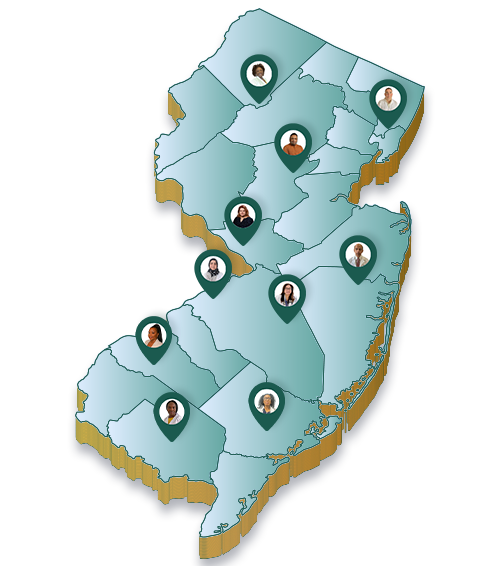
Capital Psychiatry Group provides outpatient mood disorder treatment through in-clinic visits and via HIPAA-compliant telepsychiatry services across New Jersey. Our clinics serve Mercer, Essex, Middlesex, and Burlington counties, including Hamilton Township, Newark, Robbinsville, South Plainfield, Delran, and Cinnaminson.
Telepsychiatry reaches every part of the state, including areas where no clinic sits nearby, so patients across New Jersey can access consistent mood disorder care wherever they live.
Depression is one type of mood disorder, not a separate category. Mood disorder is the umbrella clinical term covering any condition where a persistent disturbance in emotional state disrupts daily functioning, and it splits into two broad families: depressive disorders, which involve low mood without manic episodes, and bipolar disorders, which involve mood cycling between depressive lows and manic or hypomanic highs.
This distinction is not just terminology. Major depressive disorder, persistent depressive disorder, and seasonal affective disorder all sit under the depressive category, while bipolar I, bipolar II, and cyclothymia sit under bipolar and related disorders. The treatment approach, particularly medication choice, differs significantly between the two families, which is why calling every low mood "depression" before evaluation can lead to the wrong starting point.
If you are unsure which category your symptoms fall into, that uncertainty is exactly what a clinical evaluation resolves. Call 609-323-5252 to book an assessment rather than guessing based on symptoms alone.
The clearest distinguishing feature is whether you have ever experienced a period of elevated mood, not just the low periods. Bipolar disorder always includes manic or hypomanic episodes: unusually high energy, a reduced need for sleep without feeling tired, racing thoughts, rapid speech, and impulsive or risky decisions that stand out from your usual behavior.
Many people with bipolar disorder seek help only during a depressive episode, since elevated periods can feel productive or even enjoyable rather than distressing, especially in hypomania. This is one of the most common reasons bipolar disorder gets misdiagnosed as major depressive disorder for years before the correct diagnosis is made.
Because antidepressants alone can sometimes trigger or worsen manic episodes in someone with undiagnosed bipolar disorder, this distinction has real treatment consequences. A thorough history, including whether family members have experienced bipolar disorder, is part of every mood disorder evaluation at Capital Psychiatry Group.
Mood disorders develop from a combination of genetic, biological, and environmental factors rather than a single cause. Family history plays a substantial role, particularly for bipolar disorder, where having a close relative with the condition meaningfully increases risk. Brain chemistry, including how neurotransmitters such as serotonin, dopamine, and norepinephrine regulate mood, is also involved.
Environmental and situational factors interact with this underlying vulnerability. Chronic stress, major life transitions, trauma, hormonal changes such as those occurring postpartum or during perimenopause, seasonal changes in light exposure, and certain medical conditions including thyroid disorders can all trigger or worsen a mood episode.
Understanding what contributed to your particular presentation is part of building an effective treatment plan, not just an academic exercise. A patient whose depression is tied to a thyroid condition needs that addressed alongside psychiatric care, while seasonal affective disorder responds to strategies that would do little for postpartum depression. Evaluation identifies which factors are relevant to you specifically.
Postpartum depression, along with the broader category of peripartum depression that can begin during pregnancy, is clinically distinct from major depressive disorder occurring at other times, largely due to the hormonal shifts, sleep disruption, and life change involved in having a child.
Symptoms include persistent sadness, difficulty bonding with the baby, overwhelming fatigue beyond normal new-parent exhaustion, anxiety, and in some cases intrusive thoughts that frighten the parent experiencing them. These symptoms are treatable and are not a reflection of someone's fitness as a parent, though many new parents delay seeking help out of fear of judgment.
Treatment typically combines therapy, particularly interpersonal psychotherapy which addresses the relationship and role changes involved in new parenthood, with medication when symptoms are moderate to severe. Breastfeeding status is factored into medication decisions, since some options are better studied for safety during lactation than others. Same-day and telehealth appointments make it easier for new parents to get evaluated without extensive childcare logistics.
Seasonal affective disorder, or SAD, is a recognized subtype of major depressive disorder with a seasonal pattern, meaning episodes reliably begin and end around the same time each year, most commonly starting in fall or winter and resolving in spring.
It is more than a mild seasonal mood dip. Clinically significant SAD involves the same range of depressive symptoms as major depressive disorder, including low energy, sleep changes, appetite changes, and difficulty concentrating, occurring predictably during a specific season and impairing daily function during that period.
Reduced daylight exposure during shorter winter days is believed to disrupt circadian rhythm and neurotransmitter regulation in susceptible individuals, which is why New Jersey's shorter winter daylight hours are relevant to this diagnosis for many residents. Treatment options include light therapy, psychotherapy, and medication, and a proper diagnosis distinguishes SAD from other depressive disorders that happen to worsen somewhat in winter for unrelated reasons.
Mania and hypomania share the same core features, elevated or irritable mood, increased energy, reduced need for sleep, racing thoughts, and impulsive behavior, but they differ in severity and duration. Mania is more intense, typically lasts at least a week, and often significantly impairs functioning or requires hospitalization, sometimes including psychotic symptoms such as delusions.
Hypomania is a milder version, usually lasting at least four days, that may feel productive or even pleasant rather than clearly impairing. This is precisely why hypomanic episodes are so often missed or not reported by the patient. Someone may describe a period of unusual productivity, confidence, and reduced sleep need as simply "a good week" rather than recognizing it as a mood episode.
The presence of full mania points toward a bipolar I diagnosis, while hypomania without full mania points toward bipolar II. This distinction directly shapes medication choice and monitoring, which is why a detailed history covering past high-energy periods, not just current depressive symptoms, is part of every evaluation.
Diagnosed mood disorders including major depressive disorder and bipolar disorder can qualify as disabilities under both the Americans with Disabilities Act and New Jersey's Law Against Discrimination when they substantially limit a major life activity, which opens the door to reasonable workplace accommodations and job-protected leave under FMLA for eligible employees.
Common accommodations include a modified schedule during an active episode, remote work flexibility, reduced meeting load during treatment adjustment, or intermittent leave for therapy and psychiatric appointments. Employers generally require documentation from a treating clinician to support a formal accommodation request.
Capital Psychiatry Group providers can supply appropriate documentation to support a workplace accommodation or FMLA request once a diagnosis and treatment relationship are established, though the specific legal process and eligibility criteria are worth discussing with your employer's HR department or an employment attorney if your situation is complex.
Timelines differ meaningfully between medication and therapy, and between depressive and bipolar presentations. Antidepressant medications typically take four to six weeks to reach full effect, with some early side effects appearing before the mood benefit does, which is why abrupt discontinuation in the first few weeks is one of the most common reasons treatment appears to "not work" when it simply had not been given enough time.
Mood stabilizers used for bipolar disorder often require more careful titration and monitoring, including periodic bloodwork for certain medications, and finding the right dose can take longer than with standard antidepressants. Structured therapy approaches such as CBT typically show measurable change within six to twelve weeks of consistent sessions.
Your provider reviews progress at set follow-up points rather than leaving you to guess whether something is working, and the plan is adjusted if the evidence says it should be. Most patients are seen for a follow-up within two to four weeks of starting a new medication specifically to catch problems early.
Not necessarily, and this depends heavily on which mood disorder you have and how many episodes you have experienced. For a first episode of major depressive disorder, many patients complete a defined course of medication, typically continuing for six to twelve months after symptoms resolve, before working with their provider toward a gradual taper.
Bipolar disorder is generally managed differently. Because untreated bipolar disorder tends to be recurrent and each episode can worsen the long-term course of the illness, most patients with bipolar I or bipolar II remain on a mood stabilizer or other maintenance medication indefinitely, even during periods of stability, specifically to prevent future episodes rather than only to treat an active one.
Any decision to reduce or stop medication should be made with your prescriber rather than independently, since stopping a mood stabilizer abruptly carries a meaningful risk of triggering a new episode. Your provider will discuss the specific reasoning for your situation at each follow-up.
Yes. Depression and bipolar disorder both occur in children and adolescents, though presentation often differs from the adult picture. Depressed children and teens more frequently show irritability, anger, or physical complaints such as headaches and stomachaches rather than the sadness and low energy typically associated with adult depression.
Bipolar disorder in adolescents can be particularly difficult to distinguish from normal teenage mood variability or from ADHD, since irritability, impulsivity, and rapid mood shifts overlap across these conditions. A careful evaluation that includes input from parents and, when appropriate, school observations helps separate a genuine mood disorder from typical adolescent development.
Disruptive mood dysregulation disorder, listed among the depressive disorders we treat, was specifically introduced as a diagnosis to address children showing severe, chronic irritability that had previously been overdiagnosed as pediatric bipolar disorder. Getting this distinction right early prevents years of treatment aimed at the wrong condition.
Thoughts of death or suicide are a recognized symptom of major depressive disorder, and having them does not mean you have failed at managing your condition or that you are beyond help. If you are having these thoughts right now, particularly with any plan or intent, do not wait for a scheduled appointment: call or text 988 to reach the Suicide and Crisis Lifeline, available around the clock across New Jersey, or call 911, or go to your nearest emergency department.
If the thoughts are present but you are not in immediate danger, call Capital Psychiatry Group at 609-323-5252 and tell our team directly. We prioritize patients reporting suicidal thoughts for urgent evaluation rather than a routine scheduling queue, and same-day or walk-in appointments are available for exactly this situation.
Disclosing suicidal thoughts to your provider is protected under the same confidentiality standards as the rest of your care, with the narrow exception that immediate safety concerns may require additional intervention to keep you safe. Being honest about this symptom is the fastest route to getting it properly addressed.