

Anxiety Treatment in New Jersey That Fits Your Life

Anxiety is constant fear, racing thoughts that can’t be controlled, especially in overwhelming situations. It is the most common mental health concern in the USA, affecting an estimated 19.1% of U.S. adults who experience an anxiety disorder in a given year, while roughly 31.1% of adults experience an anxiety disorder at some point in their lives (National Institute of Mental Health). Anxiety disrupts how you work, react, and your overall functioning, but convenient treatment at CPG is available and within reach.

Capital Psychiatry Group’s mission is to provide trusted anxiety treatment. Our psychiatrists, psychologists, psychiatric mental health nurse practitioners, and therapists have experience treating a wide range of mental health conditions. We create a treatment plan including therapies, counseling, and medications if needed. Anxiety disorders are treatable, and many people experience meaningful improvement with appropriate, evidence-based care.

Bipolar and Mood Disorder Treatment

Take Back Control, Anxiety Doesn't Define You

Anxiety doesn’t just affect your thoughts; it can also cause physical symptoms throughout the body. It is a real issue impacting 1 in 5 adults in the USA. CPG takes time to understand your symptoms and triggers, then works with you to create a personalized anxiety treatment plan that fits your daily life.

Whether it’s constant worry, panic episodes, or fear that interrupts daily routines, you’ll get care that’s backed by science and built on trust. Many people wait years, assuming anxiety is part of their personality rather than something treatable. It is not, and the sooner it is addressed, the less it shapes the decisions you make around it.

Addiction Treatment

Anxiety Disorders and Related Conditions We Treat We Treat

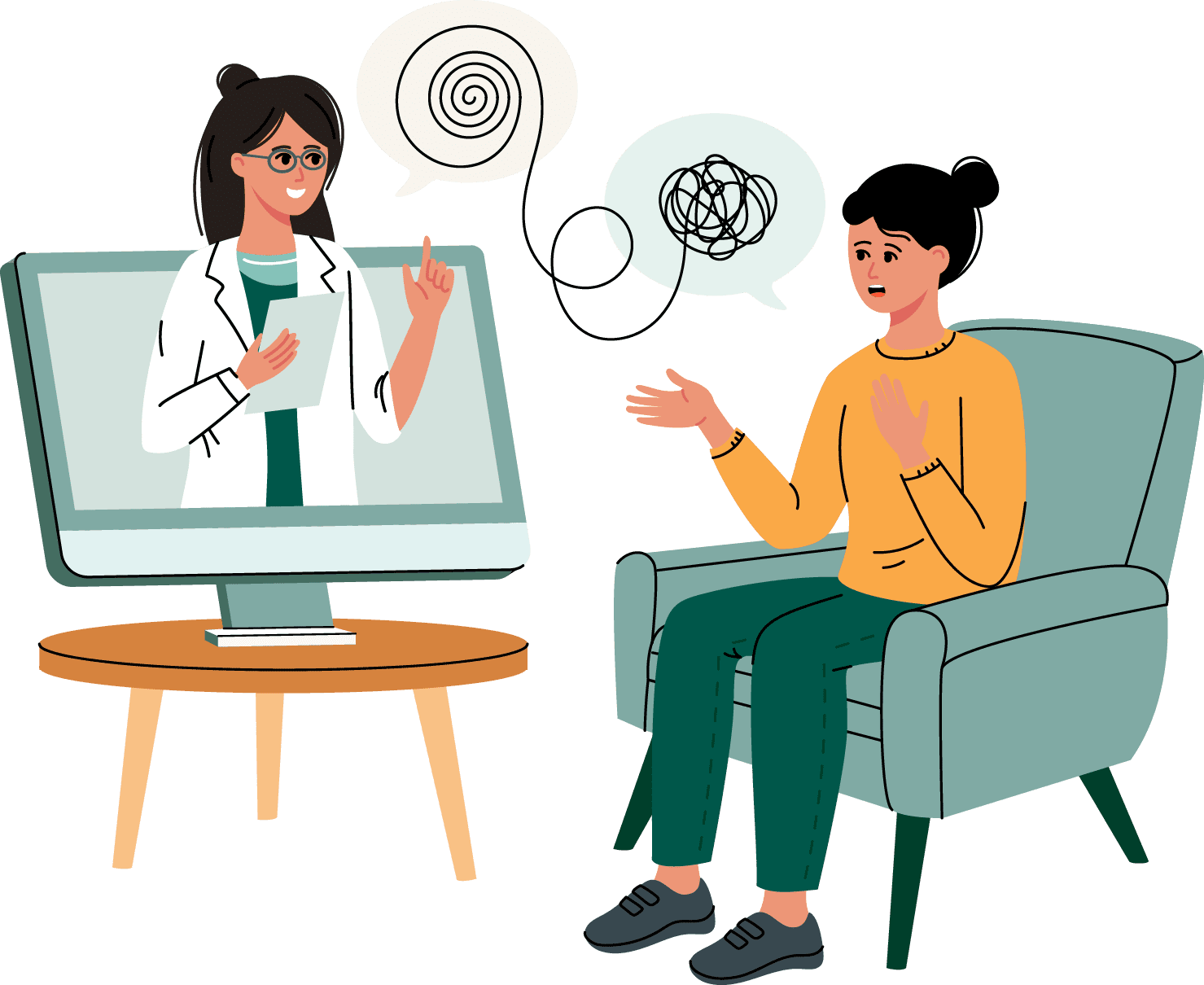
The mental health professionals of Capital Psychiatry Group assess, diagnose, & treat diverse anxiety disorders via in-clinic care & secure telepsychiatry, including:

Generalized Anxiety Disorder (GAD)

Involves constant, hard-to-control worry about everyday things like work, health, or family, often lasting for months and affecting sleep, focus, and mood

Social Anxiety Disorder

Causes strong fear in social or group settings, especially when speaking, meeting new people, or feeling observed, leading to avoidance and isolation.

Panic Disorder

It is a sudden and extreme feeling of fear and anxiety. It can happen without any warning with symptoms like chest pain, rapid heartbeat, or dizziness.

Agoraphobia

It's anxiety about being stuck in a place where you can't escape. It's so extreme that it can be triggered in busy streets or public transit.

Separation Anxiety Disorder

Type of anxiety that takes over when a child is away from loved ones (parents) or familiar places (home). Adults can feel anxious when alone or fear that someone close to them is about to be harmed.

Substance or Medication-Induced Anxiety

It is directly caused by the substance or medication use, abuse, or withdrawal. One might feel restlessness or panic, but with the right treatment, symptoms improve.

Health Anxiety

There is constant doubt and worry about health, even when the test results are normal. People constantly book health appointments and doctor visits for reassurance.

Common Anxiety Symptoms

Anxiety shows up in many ways. It disturbs how you interact with people, your ability to make important decisions, and more. Because anxiety can cause physical symptoms, some people seek medical care before realizing anxiety may be contributing. However, new, severe, or unfamiliar physical symptoms should be medically evaluated rather than automatically attributed to anxiety.

Anxiety Treatment

How We Diagnose Anxiety Disorders

In your first session, the CPG psychologists & psychiatrists will talk about your symptoms, family history of anxiety, and the current impact or ongoing medication (if you are taking any). We may use standard screening tools, including the GAD-7 for anxiety symptoms and the PHQ-9 when depression may also be present. These tools support the clinical evaluation but do not establish a diagnosis on their own.

Diagnosis follows DSM-5 criteria rather than a first impression, because several conditions can look like anxiety while needing different treatment. Thyroid problems, certain medications, and caffeine can all produce similar symptoms, which is why the evaluation covers your medical history too.

Obsessive-Compulsive Disorder (OCD) Treatment Services

Therapy & Counseling Services for Anxiety Disorders

Capital Psychiatry Group also supports patients through evidence-based therapy, which can be used on its own or alongside medication depending on the individual’s needs. Which approach fits depends on what is driving your symptoms, and your clinician will explain the choice before starting.

Cognitive Behavioral Therapy (CBT)

Helps reframe anxious thought patterns and manage excessive worry.

Exposure Therapy

Gradual, structured approach to reduce avoidance behaviors.

Acceptance and Commitment Therapy

Builds mindfulness and encourages values-based living.

Why People Choose Us

Capital Psychiatry Group offers in-clinic & HIPAA-compliant anxiety care across New Jersey. Our clinicians are licensed in New Jersey and explain the reasoning behind every recommendation, so you can make informed decisions. Progress is reviewed at set points, and the plan changes when the evidence says it should.

When the Mind Races, We Help It Rest

Anxiety doesn’t knock, it crashes in. But you don’t have to brace for it alone. Capital Psychiatry Group brings calm to the storm through telepsychiatry & in-clinic care that’s swift, secure, and centered on you. From avoidance to midnight worries, our board-certified psychiatrists are just a screen or a short drive away, across New Jersey, on your time, in your space.

Most patients tell us afterward that the first appointment was far less daunting than the months of deliberating before it. You do not need to arrive with your symptoms neatly explained.

Areas We Serve in New Jersey

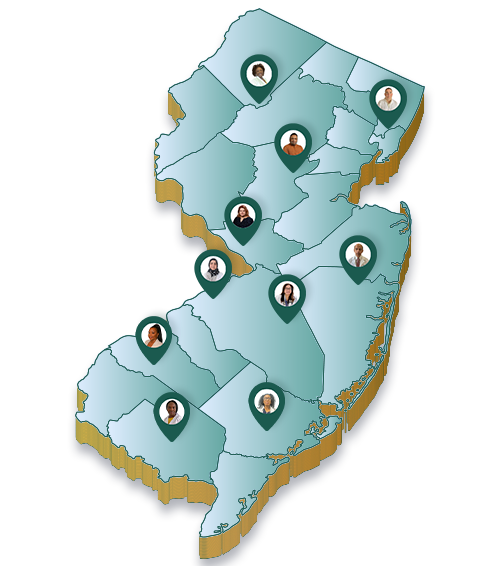
If you are searching for anxiety treatment near me in New Jersey, CPG professionals have got you covered. With outpatient clinics and HIPAA-compliant telepsychiatry, Capital Psychiatry Group offers trusted anxiety treatment wherever you are in the state.

Our licensed psychiatrists and psychologists deliver in-clinic care across Mercer, Essex, Middlesex, and Burlington counties, and telepsychiatry reaches the rest of New Jersey. Your records and care team stay connected whether you switch offices or move between in-person and video visits.

Cpg

Stress has a source, and it lifts when the source resolves. A deadline passes, a difficult conversation happens, and the tension drains away. Anxiety outlasts its trigger, or shows up without one at all.

The clinical threshold most clinicians use is duration plus impairment. Worry that persists most days for six months or more, that you cannot switch off through reasoning or distraction, and that has started shaping your decisions, is no longer ordinary stress. Avoiding a promotion because of presentations, declining invitations, or planning routes around traffic are all signs it has moved from feeling to functioning.

Physical persistence matters too. Ongoing muscle tension, disrupted sleep, and digestive problems that outlast the stressful period suggest a body stuck in alarm rather than responding to a real one.

If you are unsure which side of that line you sit on, an evaluation answers it in one appointment.

It matters a great deal, because treatment differs meaningfully between them.

Generalized anxiety disorder involves persistent worry across many areas of life. Panic disorder centers on sudden physical attacks and the fear of the next one. Social anxiety disorder is fear of judgment in social or performance situations. Agoraphobia is fear of places where escape feels difficult. Separation anxiety, health anxiety, and substance-induced anxiety each have their own patterns.

The overlap is why self-diagnosis often misleads. Panic disorder responds strongly to interoceptive exposure work, social anxiety to a different exposure protocol, and generalized anxiety to cognitive approaches targeting worry itself. Treating all of them as a single condition is why some people find therapy unhelpful.

Your evaluation identifies which pattern fits, including whether more than one is present, which is common. That distinction shapes everything that follows.

Yes, and this is one of the most misunderstood aspects of anxiety. The physical symptoms are real, not imagined, and they have a genuine physiological cause.

When the body's alarm system activates, adrenaline rises, breathing quickens, and blood flow redistributes. That produces chest tightness, racing heartbeat, dizziness, tingling in the hands and face, nausea, sweating, muscle pain, and a sensation of unreality. During a panic attack these can be intense enough that people reasonably believe they are having a heart attack.

Many patients arrive here after a full cardiac workup came back clear. That workup was the right thing to do, and normal results do not mean nothing is wrong.

Important caveat: never assume chest pain is anxiety. Any new, severe, or unfamiliar chest symptoms warrant emergency evaluation first. Once cardiac causes are ruled out, anxiety treatment addresses the actual driver.

It depends on which treatment, and being honest about the timeline prevents people from quitting just before it helps.

Structured therapy such as CBT typically shows noticeable change within six to twelve weeks, with a defined course rather than open-ended sessions. Exposure-based work for panic and phobias can produce shifts faster, sometimes within a few sessions, because avoidance breaks down quickly once tackled directly.

Medication follows a different curve. SSRIs and SNRIs, the most common first-line options, usually take four to six weeks to reach full effect, and some people feel slightly more restless in the first two weeks before improvement begins. That early window is exactly when people stop, which is why follow-up is scheduled rather than left to you.

Progress is reviewed at set points, and if nothing has shifted after a reasonable stretch, the approach changes rather than continuing unchanged.

Therapy alone is a legitimate and evidence-backed first-line choice for mild to moderate anxiety, and plenty of our patients never take medication at all.

Cognitive behavioral therapy in particular has outcomes comparable to medication for many anxiety presentations, with benefits that often persist longer after treatment ends, since you keep the skills.

Medication becomes more relevant when symptoms are severe enough that you cannot engage with therapy, when panic attacks are frequent, when sleep has collapsed, or when therapy alone has been tried without sufficient result. For moderate to severe presentations, the combination frequently outperforms either approach used alone.

Your preference is clinical information, not an obstacle. Tell your clinician you would rather start without medication and the plan is built around that. What we will not do is stay silent if your presentation is one where medication would meaningfully change your outcome.

The addiction question deserves a direct answer, because it stops many people from accepting treatment they would benefit from.

First-line medications for anxiety are typically SSRIs and SNRIs. These are not addictive and do not produce a high or cravings. They are taken daily and work gradually. Stopping them abruptly can cause discontinuation effects, which is different from addiction and is avoided entirely with a proper taper managed by your prescriber.

Benzodiazepines are a separate category. They work within minutes and are genuinely habit-forming with regular use, which is why responsible prescribing keeps them to short-term or situational use rather than ongoing daily treatment. If a clinician offers you one, ask about the plan for stopping it.

Other options including buspirone, certain beta blockers for performance situations, and hydroxyzine may fit particular presentations. Your clinician explains the reasoning behind whichever is recommended.

Neither framing is quite right, and the honest answer is more encouraging than most people expect.

Many people experience full remission, meaning symptoms resolve and stay resolved. Others find anxiety becomes something they manage rather than something that manages them, with skills that make future episodes shorter and less disruptive. A minority need longer-term support, particularly where anxiety runs alongside other conditions.

What is well established is that anxiety disorders are among the most treatable conditions in psychiatry. Treatment works for the large majority of people who complete it, and outcomes are significantly better when treatment starts earlier rather than after years of avoidance has narrowed someone's life.

Relapse can happen, often during major stress or transition. That is not failure. Patients who have been through treatment before typically recover faster the second time, because they recognize the pattern early and already know what helps.

Yes. Anxiety is one of the most common mental health conditions in young people, and it frequently looks nothing like adult anxiety.

Children often present with stomach aches, headaches, irritability, clinginess, sleep resistance, or refusal to attend school rather than describing worry. Teenagers may show it as anger, withdrawal, perfectionism, procrastination on assignments, or avoiding social situations they previously enjoyed.

Treatment is matched to age. For younger children it typically begins with behavioral strategies and parent coaching rather than medication, since how parents respond to anxious behavior significantly affects whether it strengthens or fades. For adolescents, CBT and exposure work directly, with parents involved in the plan while teens get enough privacy to speak openly.

Where anxiety is affecting school performance or attendance, we can provide documentation to support classroom accommodations.

Anxiety treatment is covered by essentially all insurance as a recognized medical condition, including Medicare, Medicaid, NJ FamilyCare, and the commercial plans most New Jersey residents carry.

With insurance, most patients pay a behavioral health copay per visit. Because therapy is usually weekly at the start, ask our team to calculate the monthly cost rather than the single-visit figure, and to confirm whether your deductible applies or your plan caps annual sessions. These details vary considerably between plans and employers.

New Jersey law also requires most plans to cover telehealth on the same basis as in-person visits, so choosing video does not increase your cost.

If you are uninsured or would rather keep insurance out of your treatment, self-pay rates are quoted up front. Many people assume anxiety treatment is unaffordable without ever asking for the actual number.

Most patients can be evaluated within 24 hours, with same-day, walk-in, and weekend appointments depending on the schedule.

That speed matters specifically for anxiety, because the condition feeds on anticipation. Waiting six to twelve weeks for a first appointment, which is common across New Jersey, gives anxiety a great deal of time to expand what you avoid.

For panic attacks, the honest position is that an outpatient appointment is not an emergency service. A panic attack, however terrifying, is not medically dangerous and typically peaks within ten minutes. What treatment does is reduce their frequency, intensity, and the fear of the next one, which is usually what causes the most disruption.

If you are experiencing chest pain for the first time, or symptoms you have not had before, seek emergency evaluation rather than assuming it is panic.

No, and long-standing avoidance is one of the most treatable patterns we work with, precisely because it is so mechanical.

Avoidance provides immediate relief, which teaches the brain that the avoided situation was genuinely dangerous. Each avoidance strengthens the next, and over years a life quietly narrows: driving, flying, social events, medical appointments, career opportunities.

Exposure-based treatment reverses that process by rebuilding tolerance gradually and at a pace you set, never by forcing you into anything. Patients are frequently surprised how quickly it moves once started, even after decades of avoidance.

There is no expiry date on this. Whether the pattern is two years old or twenty, the mechanism is identical and responds to the same treatment. What matters is that you did not develop this deliberately and you will not be judged for how long it has been going on.

If you are having thoughts of harming yourself, or you are in immediate danger, do not wait for an appointment. Call or text 988 to reach the Suicide and Crisis Lifeline, available around the clock across New Jersey, or call 911, or go to your nearest emergency department. Using these services is never an overreaction.

If you are experiencing chest pain, shortness of breath, or symptoms you have not had before, seek emergency medical evaluation. Anxiety and cardiac events can feel similar, and ruling out the physical cause first is the correct order.

For urgent situations that are not emergencies, such as panic attacks that have suddenly escalated, a medication reaction, or a week that has become unmanageable, call 609-323-5252 and our team will arrange the fastest safe option.

Once things are stable, we can take over ongoing treatment.

Your mental health matters at Capital Psychiatry Group. We offer evaluations, BHI, and precision medication management to fully optimize your mental health.

Leaving so soon? Fill out the form and stay in touch!

Let's have a chat

Book Your Appointment Now