
Accessible PTSD Treatment in New Jersey
When Trauma Won’t Let Go, CPG Helps You Reclaim Life

Symptoms of PTSD and Trauma-Related Disorders
Intrusive Symptoms
- Unwanted, distressing memories
- Nightmares related to the event
- Flashbacks, feeling like the event is happening again
- Intense psychological distress at reminders
- Physical reactions to triggers (racing heart, sweating)
Avoidance Symptoms
- Avoiding thoughts or feelings about the trauma
- Avoiding reminiscent people, places, or activities
Changes in Cognition & Mood
- Persistent negative beliefs
- Guilt, shame, or self-blame
- Loss of interest in things you used to enjoy
- Feeling detached or estranged
- Troubled nostalgia of the traumatic event
Reactivity and Alertness Changes
- Hypervigilance ("constantly on guard")
- Being easily startled
- Irritability or anger outbursts
- Sleep problems (falling or staying asleep)
- Difficulty concentrating & restlessness
How We Diagnose PTSD in New Jersey
- First Session: We discuss your experiences, triggers, sleep, concentration, and daily functioning.
- Clinical Tools: Our providers aligned with DSM-5 criteria to measure intrusion, avoidance, mood/cognition changes, and arousal/reactivity.
- Medical & Mental Health Review: We rule out symptoms of other co-occurring conditions, review current medications, and the overall history.
- Diagnosis & Plan: If PTSD is diagnosed, we provide a personalized plan (therapy & medication) and follow-ups to monitor benefits and side effects.
Therapies and Counseling We Offer for PTSD in NJ
Trauma-Focused Cognitive Behavioral Therapy (TF-CBT)
Cognitive Behavioral Therapy for Insomnia (CBT-I)
Crisis Intervention
Counseling For First Responders
Supportive Psychotherapy
Person-Centered Therapy
Group Therapy
Stress Management
Why Choose Capital Psychiatry Group for PTSD Treatment
- All insurances accepted
- Weekend appointments
- Walk-in & same day appointments
- PTSD Psychiatrists & Psychologists
- HIPAA-compliant telepsychiatry
- In-clinic PTSD care
- Personalized care plan
- PTSD Therapy & counseling
- PTSD Medication Management
Your Now Is Not Forever Start Healing With CPG
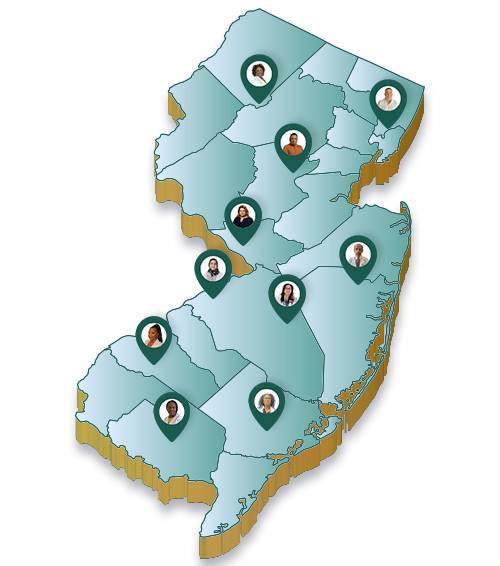
Areas We Serve Across New Jersey
Clinicians use a specific definition. Under DSM-5-TR criteria, PTSD can follow exposure to actual or threatened death, serious injury, or sexual violence. That exposure can happen in four ways:
- Directly experiencing it, such as an assault, car crash, or combat
- Witnessing it happen to someone else
- Learning it happened to a close family member or friend, when the event was violent or accidental
- Repeated exposure to disturbing details, common among police officers, paramedics, and emergency room staff
Painful experiences like divorce, job loss, or a non-violent death of a loved one are deeply stressful but generally don’t meet this definition. Reactions to them may be diagnosed as an adjustment disorder or prolonged grief instead.
Whatever the label, distress after a hard experience deserves care. An evaluation clarifies which diagnosis fits and which treatment will help most.
Strong reactions in the first days and weeks after trauma are normal. Shock, poor sleep, replaying the event, and feeling on edge are part of how the brain processes danger. For many people, these reactions fade within a month.
Clinicians distinguish between three timelines:
- Acute stress disorder: Intense symptoms lasting from three days to one month after the event
- PTSD: Symptoms that last longer than one month and disrupt daily life
- PTSD with delayed expression: Full symptoms that don’t appear until six months or more after the trauma, sometimes triggered by an anniversary, a new stressor, or a reminder
Early support helps. Practical comfort, safety, and connection are recommended in the first weeks. Single-session “debriefing,” in which people are pushed to recount trauma immediately, is not recommended by current guidelines. If symptoms persist beyond a month, it’s time for a professional evaluation.
Complex PTSD (C-PTSD) describes the effects of trauma that is prolonged or repeated. Examples include childhood abuse, domestic violence, human trafficking, or captivity, especially when escape felt impossible.
The World Health Organization recognizes C-PTSD as a distinct diagnosis in the ICD-11. In addition to core PTSD symptoms, it includes three ongoing difficulties:
- Emotional regulation: Intense emotions that are hard to calm, or feeling emotionally shut down
- Negative self-concept: Deep, lasting feelings of worthlessness, shame, or guilt
- Relationship problems: Difficulty trusting others or feeling close to people
The DSM-5-TR used in the U.S. doesn’t list C-PTSD separately. Clinicians still account for these features when diagnosing PTSD and planning care.
Treatment often begins with building emotional stability and coping skills before working directly on traumatic memories. Recovery may take longer, but meaningful improvement is very achievable.
The American Psychological Association and the VA/DoD Clinical Practice Guideline give their strongest recommendations to three trauma-focused therapies.
Cognitive Processing Therapy (CPT) helps you identify and challenge “stuck points.” These are beliefs formed after trauma, such as “It was my fault” or “The world is completely unsafe.” It’s usually delivered in about 12 sessions.
Prolonged Exposure (PE) helps you gradually approach memories, places, and situations you’ve been avoiding, so they lose their power to trigger fear. It typically runs 8 to 15 sessions.
Eye Movement Desensitization and Reprocessing (EMDR) has you briefly focus on a traumatic memory while following guided eye movements or other bilateral stimulation. This helps the brain reprocess the memory with less distress.
All three are effective for most adults. Your clinician will help you choose based on your symptoms, history, and comfort level. Call 609-323-5252 to discuss options.
This is one of the biggest fears people have about PTSD treatment, and it keeps many from seeking help. The reality is far more manageable.
You control the pace. A good trauma therapist never forces you to share more than you’re ready for. Many treatment plans begin by building coping skills and a sense of safety before touching any memories.
Some therapies need less detail. In Cognitive Processing Therapy, much of the work focuses on how trauma changed your beliefs rather than retelling every moment.
Exposure is gradual and planned. When therapy does involve revisiting memories, it happens in small, structured steps with support.
Alternatives exist. Present-centered therapy focuses on current problems and coping without discussing the trauma directly.
Most people find that speaking about trauma in a safe space becomes easier over time, and gradually less painful.
Medication can reduce symptoms, especially when therapy alone isn’t enough or isn’t accessible right away.
FDA-approved options: Sertraline (Zoloft) and paroxetine (Paxil) are the two medications specifically approved for PTSD.
Other commonly prescribed options: Fluoxetine (Prozac) and venlafaxine (Effexor XR) are also recommended by the VA/DoD guideline based on research evidence.
These medications usually take several weeks to show their full effect. They can ease intrusive memories, irritability, low mood, and hyperarousal.
Medications generally avoided: Benzodiazepines such as alprazolam (Xanax) and lorazepam (Ativan) are not recommended for PTSD. They don’t treat the core condition, may interfere with recovery from trauma, and carry dependence risks.
Many patients do best with medication and trauma-focused therapy together. A CPG psychiatrist will review your history, other medications, and side effect concerns before recommending a plan.
Many people are surprised to learn that evidence-based PTSD therapy is often time-limited, not open-ended.
- Cognitive Processing Therapy: Commonly about 12 weekly sessions
- Prolonged Exposure: Usually 8 to 15 sessions, often around 90 minutes each
- EMDR: Frequently completed within a few months, depending on the number of traumatic memories involved
- Medication: Typically needs 8 to 12 weeks at an effective dose to judge its benefit, then continues for months to protect progress
Timelines are longer for complex trauma, co-occurring depression or substance use, or ongoing life stressors. Treatment also may start with a stabilization phase.
Many patients notice early changes, like better sleep or fewer triggers, within the first several weeks. Your provider will track progress regularly and adjust your plan so treatment keeps moving forward.
Yes, for many people. After completing trauma-focused therapy, a large share of patients no longer meet the criteria for PTSD. Others experience significant relief even if some symptoms remain.
Recovery doesn’t mean forgetting what happened. It means the memory no longer controls your daily life. You can think about the event without being flooded by fear, sleep through the night, and reconnect with people and activities you’d pulled away from.
Without treatment, PTSD can persist for years or decades and often becomes more entrenched over time. Some people see natural improvement, but many need professional support to break the cycle of avoidance and hyperarousal.
Stressful life events can occasionally bring symptoms back. The skills learned in therapy make those flare-ups easier to recognize and manage. Booster sessions are always an option.
Trauma-related nightmares are one of the most exhausting PTSD symptoms. They disrupt sleep, raise daytime anxiety, and can make bedtime feel threatening.
Imagery Rehearsal Therapy (IRT) is a well-studied approach. You rewrite a recurring nightmare into a less distressing version while awake, then rehearse the new storyline daily. Over time, many people find their nightmares become less frequent and less intense.
Prazosin, a blood pressure medication, is sometimes prescribed off-label to reduce nightmares. Research results are mixed, so it’s considered on an individual basis.
Supportive sleep habits also help:
- A consistent sleep schedule
- A calming wind-down routine
- A dark, quiet bedroom
- Avoiding alcohol, which fragments sleep
Treating PTSD as a whole often improves nightmares too. If nightmares are severe or disrupting work and relationships, talk with your provider about targeted options.
Children often show trauma differently than adults, which is why PTSD in young people is sometimes missed. The DSM-5-TR includes separate criteria for children 6 and younger.
Young children may:
- Reenact the trauma repeatedly in play or drawings
- Have frightening dreams without clear content
- Lose skills they’d mastered, such as toilet training or speech
- Become unusually clingy or fearful of separation
School-age children may:
- Develop stomachaches or headaches
- Struggle to concentrate
- Believe there were warning signs they should have noticed
Teens may:
- Show anger or withdrawal
- Take more risks or use substances
- Talk about self-harm
Trauma-Focused CBT (TF-CBT) is the most well-established treatment for children and adolescents. Caregivers take part in sessions, learning how to support recovery at home. Capital Psychiatry Group treats children, adolescents, and adults across New Jersey.
Military service and emergency response work involve repeated exposure to trauma, and specialized support is available.
NJ Vet2Vet (1-866-838-7654): A 24/7 peer support helpline coordinated by Rutgers University Behavioral Health Care. It serves veterans, National Guard and Reserve members, and their families.
Cop2Cop (1-866-267-2267): A free, confidential 24/7 helpline for New Jersey law enforcement officers and their families. It’s staffed by retired officers and licensed clinicians.
Veterans Crisis Line: Call 988 and press 1, or text 838255, any time.
VA health care: Eligible veterans can receive PTSD treatment through VA medical centers and community clinics in New Jersey.
Capital Psychiatry Group also provides counseling for first responders. Some veterans and first responders prefer care outside their workplace or the VA system, and CPG can be that option. Call 609-323-5252 for confidential support.
Loving someone with PTSD can feel confusing, especially when they seem distant, irritable, or easily startled. Your support matters more than you may realize.
Listen without pressing for details. Let them share what they’re comfortable with, and avoid pushing them to talk about the trauma.
Learn their triggers. Certain sounds, places, dates, or crowds may cause distress. Small adjustments, like avoiding sudden noises or surprises, can help.
Don’t take irritability personally. Anger and withdrawal are often symptoms of an overwhelmed nervous system, not a reflection of how they feel about you.
Encourage treatment gently. Offer to help find a provider or attend a first appointment together.
Care for yourself too. Caregiver stress is real. The VA’s free PTSD Coach app includes resources for families as well as survivors.
If your loved one talks about suicide, call or text 988 right away.
Yes. Many people with PTSD turn to alcohol, cannabis, or other substances to quiet intrusive memories, fall asleep, or numb emotional pain. This is often called self-medicating.
Substances may bring short-term relief, but they tend to worsen PTSD over time. Alcohol disrupts sleep quality, deepens depression, and blocks the emotional processing needed for recovery. Dependence can develop quickly.
Research now supports treating PTSD and substance use together rather than one after the other. Integrated approaches include:
- Seeking Safety: A present-focused therapy that builds coping skills for both conditions
- COPE: Concurrent Treatment of PTSD and Substance Use Disorders using Prolonged Exposure
Being honest with your provider about substance use is safe and important. It helps shape a plan that addresses what’s really driving your symptoms. Capital Psychiatry Group also offers substance use disorder treatment alongside PTSD care.
Yes. PTSD keeps the body’s stress response switched on long after danger has passed. Over time, that constant state of alarm can take a toll on physical health.
PTSD is linked with higher rates of:
- Chronic pain, including back pain and fibromyalgia
- Headaches and migraines
- Digestive problems such as irritable bowel syndrome
- High blood pressure and heart disease
- Sleep disorders, including insomnia and sleep apnea
- Weakened immune function and frequent illness
Many people see their primary care doctor for these symptoms first, without realizing trauma may be part of the picture.
Effective PTSD treatment often improves physical symptoms too. Sleep gets better, muscle tension eases, and stress hormones settle. Sharing your PTSD diagnosis with your primary care provider helps ensure your whole health is treated together.
Not currently. These treatments get significant media attention, but neither is FDA-approved for PTSD.
MDMA-assisted therapy: In August 2024, the FDA declined to approve MDMA-assisted therapy for PTSD and requested an additional clinical trial before reconsidering. Research is ongoing, and MDMA remains available only within approved studies.
Ketamine and esketamine: Esketamine (Spravato) is FDA-approved for treatment-resistant depression, not PTSD. Ketamine is being studied for PTSD, but results are still early, and it isn’t a recommended standard treatment.
Be cautious about clinics marketing these treatments as proven PTSD cures. Effectiveness, safety, and long-term outcomes are still being evaluated.
The therapies and medications recommended by the APA and VA/DoD remain the best-supported options. If you’ve tried them without enough relief, a CPG psychiatrist can review next steps with you. Call 609-323-5252.
If you are in immediate danger or having thoughts of harming yourself or someone else, do not wait for an appointment. Call or text 988 to reach the Suicide and Crisis Lifeline, available at any hour across New Jersey, or call 911, or go to your nearest emergency department. This is precisely why your CPG clinician confirms your physical location at the start of every session. If a safety concern arises mid-appointment, they need to be able to direct emergency services to where you actually are, and that information cannot be gathered usefully in the middle of a crisis.
Where risk is part of your clinical picture, your clinician will build a written safety plan with you early in treatment rather than waiting for something to happen. For urgent situations that are not emergencies, such as a medication reaction or a rapidly worsening week between scheduled appointments, call 609-323-5252, and the Capital Psychiatry Group team will arrange the fastest safe option available.