
Depression Therapy & Medication Treatment in New Jersey

Depression is a common mental health condition that affects how you think, feel, and act in daily life. Its symptoms include sadness, sleep disturbances, tiredness, and a lack of motivation and interest in daily activities. Capital Psychiatry Group provides trusted and evidence-based depression treatment in New Jersey. 

Our psychiatrists and psychologists specialize in expert evaluation, diagnosis, and treatment plans that include depression therapy (like CBT, IPT, DBT, and more), counseling, and medication. Depression is highly treatable, and most people improve with the right combination of care. Because psychiatrists and psychologists work within one practice, your therapy and medication are planned together rather than in separate offices.

Hope Still Lives Here, Let’s Find It Together

Since 2015, the share of U.S. adults with clinically diagnosed depression has risen by nearly 10 percentage points. As of 2023, 29.0% of U.S. adults reported being diagnosed with depression at some point in their lives. Depression drains energy and the ability to think clearly, making it difficult for you to manage work and relationships. The licensed depression psychiatrists and psychologists of CPG understand the impact of depression on normal functioning and work. 

Therefore, CPG works closely with you to build a personalized depression treatment plan that includes therapy, counseling, and medication if needed. Closer to home, 19.6% of New Jersey adults reported a history of diagnosed depression in 2021, according to the state Department of Health. Reaching out early often shortens an episode and makes it easier to return to your usual routines.

Common Types of Depression Disorders

Understanding the type of depression you’re experiencing helps clinicians build an effective depression treatment plan that may include therapy, counseling, and medication management. Some types are tied to specific triggers, such as childbirth, hormonal cycles, or seasonal light changes, which is why an accurate label matters. Telling bipolar depression apart from major depression is especially important, since antidepressants alone can trigger manic symptoms in bipolar disorder. The most common types of depression that CPG treats include:

Major Depressive Disorder (MDD)

Lasting/persistent sadness that drains energy with loss of interest in activities and things that you used to love.

Persistent Depressive Disorder

A chronic low mood that lasts two years or more. The symptoms are milder but long-term

Bipolar Depression

The depressive phase of bipolar disorder, which cycles between emotional lows and manic highs that deeply disturb normal routines.

Seasonal Affective Disorder (SAD)

Depression that causes a change in energy, mood, and motivation with the change in season, e.g., fall or winter.

Postpartum Depression

After childbirth, a mother may feel emotional stress, fatigue, and fear about herself and her baby's health.

Premenstrual Dysphoric Disorder (PMDD)

Severe mood swings and irritability that happen in the week or two before your period due to changes in hormones.

Situational Depression

Symptoms of clinical depression that may show up after a stressful or traumatic event.

Symptoms of Depression

The symptoms of depression appear differently for everyone, depending on age and gender. Women may feel more guilt, while in men, it might present as irritability or anger issues.

Both emotional aspects and physical symptoms can significantly impact daily functioning, work, and relationships. Recognizing the symptoms is the first step toward clinical help. When five or more of these signs last nearly every day for at least two weeks, a professional evaluation is the right next step. If you’re having thoughts of suicide or self-harm, call or text 988 at any hour. Common signs of depression include:

Emotional & Cognitive

Physical

Behavioral & Social

How is Depression Diagnosed?

A formal diagnosis starts with a comprehensive evaluation by a licensed mental health professional (psychiatrist or psychologist), focusing on your symptoms, medical history, co-occurring disorders, and medication history. Lab work may be recommended to rule out look-alike causes such as thyroid problems or vitamin deficiencies. Your PHQ-9 score is repeated at follow-ups, giving you a clear way to measure progress over time.

  • We evaluate your emotional symptoms and behavior patterns.
  • Our professionals review your personal and family medical history.
  • CPG’s clinicians use tools, such as the PHQ-9, to measure the severity of symptoms.
  • Our clinicians identify or rule out co-occurring disorders and conditions.
  • We compare your clinical findings with DSM-5-TR diagnostic criteria.
  • Together, we create a treatment plan that includes therapy, counseling, and medication when needed.

Therapies and Counseling We Offer For Depression

Capital Psychiatry Group stands out in New Jersey for its commitment to delivering accessible and trusted mental health care. Quick access matters when depression makes each day harder, so many patients are seen within a day of reaching out. Care continues well beyond your first visit, with regular follow-ups that adjust your plan as symptoms change. Here is why people trust us:

Why Choose Capital Psychiatry Group for Depression Care

Capital Psychiatry Group stands out in New Jersey for its commitment to delivering accessible and trusted mental health care. Quick access matters when depression makes each day harder, so many patients are seen within a day of reaching out. Care continues well beyond your first visit, with regular follow-ups that adjust your plan as symptoms change. Here is why people trust us:

Where We Provider Depression Treatment

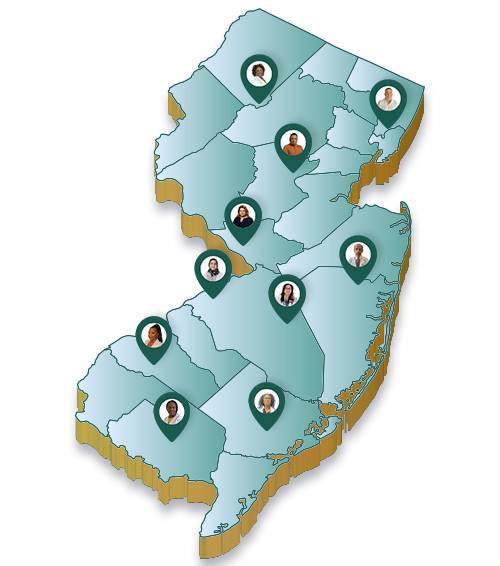
Care is available through in-person clinics and secure telehealth across New Jersey. Our locations include Hamilton Township, Ewing Township, Newark, South Plainfield, Cinnaminson, and Delran. If you prefer virtual care, telehealth appointments are available where clinically appropriate, using a secure, HIPAA-compliant platform. Our main office in Hamilton Township serves Mercer County, with clinics reaching Essex, Middlesex, and Burlington counties. Every clinic follows the same evaluation and treatment standards, so your care stays consistent at any location.

Most antidepressants take time to reach their full effect. This includes SSRIs such as sertraline, escitalopram, and fluoxetine, and SNRIs such as venlafaxine and duloxetine. Many people notice early changes in sleep, energy, or appetite within the first one to two weeks. Improvement in mood usually builds over four to eight weeks.

That delay is one of the most common reasons people stop a medication too soon. Feeling no change after a couple of weeks doesn’t mean the medicine has failed. Your psychiatrist may adjust the dose before considering a switch, since many people respond once they reach the right dose for their body.

Close follow-up during the first month or two is important. For people under 25, the FDA advises extra monitoring during this period, because a small number experience increased suicidal thoughts when starting an antidepressant. These check-ins help your provider track your response and catch concerns early.

Antidepressants are not designed to change who you are. When they work well, most people describe feeling more like themselves again. The heaviness of depression lifts, but their personality stays the same.

Some people do notice side effects. The most common include nausea, headaches, sleep changes, and sexual side effects such as low libido or delayed orgasm. A smaller group experiences emotional blunting, a sense of feeling flat or less able to cry or laugh fully. Many early side effects fade within a few weeks as the body adjusts.

Report side effects rather than tolerating them in silence. Your psychiatrist can lower the dose, change the time of day you take it, or switch to a medication with a different side effect profile. Bupropion, for example, is less likely to cause sexual side effects or weight gain. Finding the right fit sometimes takes more than one try, and that’s a normal part of treatment.

Family history is one of the strongest risk factors for depression. Having a parent or sibling with major depression raises your own risk. There is no single “depression gene,” though. Many genes each add a small effect, and they interact with life experiences over time.

Genes are not destiny. Many people with a strong family history never develop depression, while others with no family history do. Chronic stress, childhood adversity, major losses, long-term medical illness, and substance use all shape risk alongside biology.

Family history is still useful in treatment. If a parent or sibling responded well to a specific antidepressant, that medication may be worth considering for you too. Some people ask about pharmacogenomic tests such as GeneSight, which analyze how your body processes certain medications. These tests cannot diagnose depression, and evidence for routine use is still limited, so your psychiatrist can help you decide whether one makes sense.

Treatment-resistant depression generally describes depression that hasn’t improved enough after at least two antidepressants, each tried at an adequate dose for an adequate length of time. It affects a significant share of people with major depression, and it does not mean you are beyond help.

The first step is reviewing the basics. That means confirming the diagnosis, checking whether doses were high enough, and looking for factors that block recovery, such as untreated anxiety, sleep apnea, alcohol use, or ongoing stress. Your psychiatrist may then add an augmenting medication, such as a second antidepressant or an atypical antipsychotic approved for this use.

Several FDA-approved options also exist beyond pills. Transcranial magnetic stimulation (TMS) uses magnetic pulses to activate mood-regulating areas of the brain, without anesthesia. Esketamine (Spravato) is a nasal spray given under supervision in a certified setting. Electroconvulsive therapy (ECT) remains one of the most effective treatments for severe depression. Your psychiatrist can explain which option fits your history.

Treatment usually continues well after you start feeling better. Guidelines generally recommend staying on an antidepressant for six to twelve months after symptoms improve. This period is called continuation treatment, and it matters because stopping too early significantly raises the risk of relapse.

People who have had several depressive episodes may benefit from longer-term maintenance treatment, sometimes for years, much like managing any other recurring health condition. Therapy often continues alongside, with sessions gradually spaced out as you build skills to handle stress and spot early warning signs.

When it’s time to stop, do it with your psychiatrist rather than on your own. Stopping suddenly can cause discontinuation symptoms such as dizziness, irritability, flu-like feelings, and brief electric-shock sensations often called “brain zaps.” A gradual taper over weeks or months lets your body adjust and gives your provider a chance to catch any return of symptoms early.

Grief, burnout, and depression can look similar, but they differ in focus and pattern. Grief after a loss usually comes in waves tied to reminders of the person, and moments of comfort or even laughter still break through. Self-esteem typically stays intact. When intense longing and difficulty functioning continue for a year or more after a death, clinicians may evaluate for prolonged grief disorder, a diagnosis added to the DSM-5-TR in 2022.

Burnout is tied to work or caregiving demands. It shows up as exhaustion, cynicism, and reduced effectiveness on the job, and it often eases with time off or a lighter workload.

Depression is broader. It spreads into every part of life, doesn’t lift on vacation, and often brings feelings of worthlessness. Burnout and grief can also develop into clinical depression when they last long enough. An evaluation can clarify which one you’re facing and point you toward the right support.

Yes. Many people with depression keep working, parenting, and meeting deadlines while struggling privately. This is often called high-functioning depression or smiling depression. Neither is a formal diagnosis, but both describe a real experience that frequently overlaps with persistent depressive disorder or unrecognized major depression.

From the outside, everything may look fine. Inside, it can feel like running on empty. Getting through the workday takes everything you have, evenings and weekends go to recovering, and nothing brings real enjoyment anymore. Perfectionism, overworking, and relying on alcohol or screens to unwind are common ways people cope without realizing what’s underneath.

Because performance stays steady, this kind of depression is often missed by friends, employers, and even the person living with it. Left untreated, the effort needed to keep up appearances tends to grow over time. A virtual visit can be an easy first step for people with demanding schedules.

Supporting someone with depression starts with listening without trying to fix things. Saying something like “I’ve noticed you seem down lately, and I’m here for you” opens the door more effectively than advice or reassurance that things will get better. Avoid telling them to snap out of it, since depression is not a matter of willpower.

Practical help often matters more than words. Offering to schedule an appointment, drive them to a visit, or sit with them during a telehealth session removes common barriers to care. Small acts like sharing a meal or taking a short walk together can also ease isolation.

Watch for warning signs that need urgent attention, such as talk of being a burden, giving away belongings, or saying goodbye in unusual ways. Take these seriously and use the crisis line listed earlier on this page. Caregivers need support too. NAMI New Jersey offers free family education programs and support groups for people caring for a loved one.

Lifestyle changes don’t replace treatment, but they can meaningfully strengthen it. Regular physical activity has some of the strongest evidence. Walking, jogging, strength training, and yoga have all been shown to reduce depressive symptoms, and benefits appear even at moderate levels when done consistently over several weeks.

Sleep matters in both directions: depression disrupts sleep, and poor sleep worsens mood. Keeping a consistent wake time, limiting screens before bed, and avoiding long daytime naps can help. Cognitive behavioral therapy for insomnia (CBT-I) is an effective option when sleep problems persist.

What you eat and drink plays a role too. Diets rich in vegetables, fruit, whole grains, fish, and olive oil, similar to the Mediterranean diet, are linked with lower depression risk. Alcohol is a depressant that can worsen mood and interfere with antidepressants, so cutting back often helps. During New Jersey’s shorter winter days, morning daylight can also support mood and energy.

Primary care providers diagnose and treat a large share of depression in the U.S. For mild to moderate symptoms that respond well to a first medication, that can work well. A psychiatrist or psychiatric nurse practitioner (PMHNP) adds specialized expertise when depression is more complex.

Consider a psychiatric provider if your symptoms haven’t improved after one or two medications, if you’ve had several depressive episodes, or if depression comes with anxiety, substance use, or PTSD. Pregnancy, the postpartum period, thoughts of suicide, and taking several medications at once also call for specialized care, because medication choices become more nuanced.

A psychiatrist is a medical doctor who prescribes and adjusts medication, while a psychologist provides evaluation and therapy, and many people benefit from both. Your primary care provider can stay involved for your overall health while your psychiatric provider manages depression treatment, with updates shared between offices.

Your mental health matters at Capital Psychiatry Group. We offer evaluations, BHI, and precision medication management to fully optimize your mental health.

Leaving so soon? Fill out the form and stay in touch!

Let's have a chat

Book Your Appointment Now